

Are explosion proof glands easy to install?
Dec 22, 2025
Are explosion proof glands easy to install?
As a supplier of explosion proof glands, I often encounter the question: Are explosion proof glands easy to install? This is a crucial inquiry for both professionals in the electrical and industrial sectors and those new to the concept of explosion proof equipment. In this blog, I'll delve into the installation process of explosion proof glands, exploring the factors that affect ease of installation and providing some insights based on our experience.
First, let's understand what explosion proof glands are. These are specialized devices used in hazardous environments where there is a risk of explosive gases, dust, or vapors. Their primary function is to seal and secure cables, preventing the ingress of explosive substances and ensuring a safe electrical connection. The design of explosion proof glands must comply with strict international standards, such as ATEX in Europe and NEC in the United States, to guarantee their effectiveness in preventing explosions.
The installation ease of explosion proof glands depends on several key factors. One of the most significant factors is the type of gland and its design. We offer a variety of explosion proof glands, including Brass Dome Plug NPT Thread, Brass Dome Plug PG Thread, and Brass Dome Plug Metric Thread. Each type has its own unique features and installation requirements.
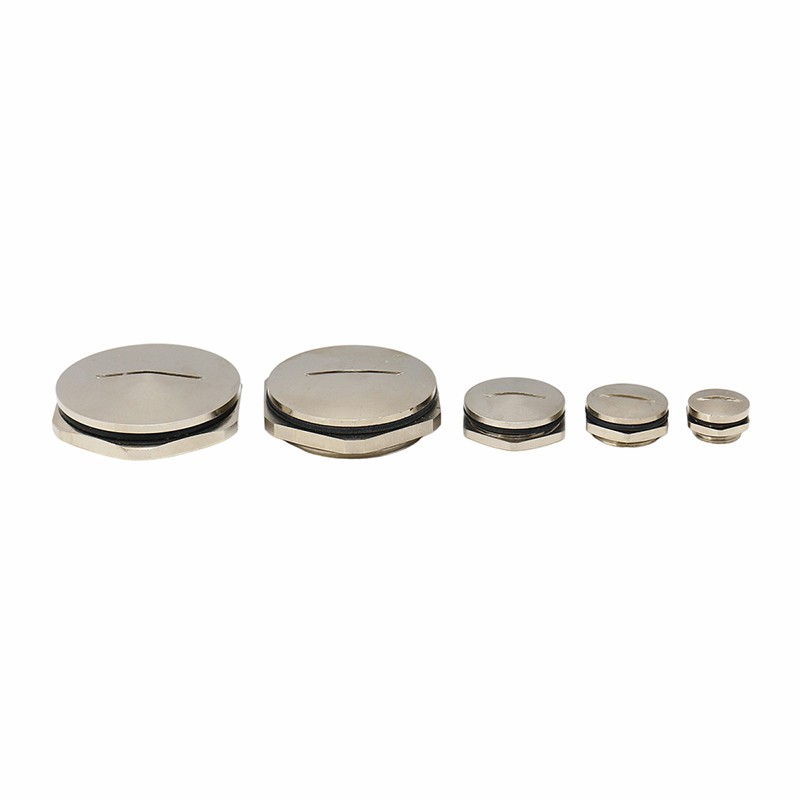

NPT (National Pipe Thread) is a common standard in North America. Glands with NPT threads are relatively easy to install in systems that follow the North American plumbing and electrical standards. The tapered threads of NPT create a tight seal when properly tightened, reducing the chances of leakage. However, it's important to use the correct sealing tape or compound to ensure a gas - tight fit. Installers need to prepare the thread surface carefully, removing any debris or burrs, and then apply the sealing material evenly before screwing the gland onto the equipment.
PG (Panzer-Gewinde) threads, on the other hand, are widely used in Europe. These threads are straight and usually require a corresponding sealing ring. The installation process involves aligning the gland with the cable entry point and then tightening the gland until the sealing ring compresses and creates a seal. While the concept is straightforward, achieving the optimal compression of the sealing ring is crucial. Over - tightening can damage the gland or the cable, while under - tightening may result in an ineffective seal.
Metric threads are standardized worldwide and are used in a vast number of industrial applications. Glands with metric threads offer a high degree of precision and compatibility. The installation process is similar to other thread types, but metric threads often have smaller tolerances, which means more careful alignment and tightening. Installers must ensure that the metric gland is of the correct size for the cable and the equipment.
Another factor that affects installation ease is the skill and experience of the installer. A trained and experienced electrician or technician is more likely to install explosion proof glands correctly and efficiently. They are familiar with the tools required, such as wrenches and torque wrenches, and understand the importance of following the installation instructions precisely. Proper training also includes knowledge of safety procedures, such as turning off the power supply before installation to prevent electric shock and ensuring that the installation environment is free from explosive hazards.
The complexity of the installation site also plays a role. In some industrial settings, access to the cable entry points may be limited, making it difficult to install the glands. For example, in a crowded control panel or a confined space, installers may have to work in awkward positions, which can slow down the installation process and increase the risk of errors. Additionally, if the cables are already in place and difficult to move, it can be challenging to thread them through the glands correctly.
However, despite these potential challenges, modern explosion proof glands are designed with installation ease in mind. Many glands feature user - friendly designs, such as quick - release mechanisms or pre - assembled components, which simplify the installation process. Some glands also come with detailed installation guides and diagrams, making it easier for installers, even those with limited experience, to understand and follow the steps.
In our experience, with proper planning and the right tools, explosion proof glands can be installed relatively easily. We provide comprehensive technical support to our customers, including answering questions about installation, providing installation manuals, and even offering on - site training if needed. Our goal is to ensure that every customer can install our explosion proof glands safely and effectively.
If you're considering purchasing explosion proof glands for your project, we encourage you to reach out to us for more information. Our team of experts can help you select the right type of gland based on your specific requirements, such as the type of cable, the thread standard, and the hazardous environment. We can also provide detailed installation guidance and support to ensure a smooth installation process.
In conclusion, while there are some factors that can make the installation of explosion proof glands challenging, such as the thread type, installer skill, and installation site complexity, these glands are generally designed to be installed with relative ease. With the right knowledge, tools, and support, you can ensure a successful installation and a safe electrical system in your hazardous environment.
Contact us today to discuss your explosion proof gland needs and start the procurement process. We look forward to working with you to ensure the safety and efficiency of your industrial operations.
References
- International Electrotechnical Commission (IEC) standards on explosion - proof equipment.
- American National Standards Institute (ANSI) and National Electrical Code (NEC) guidelines for electrical installations in hazardous areas.
- European Union's ATEX directive for equipment used in explosive atmospheres.