Plastic Stuffing Gland

What Is Plastic Stuffing Gland


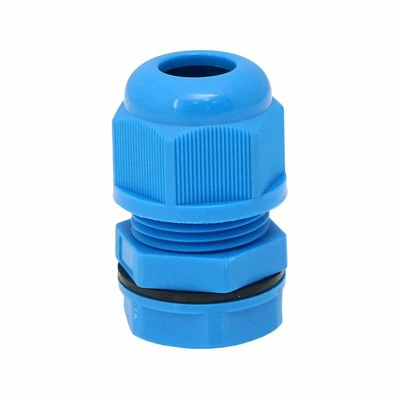
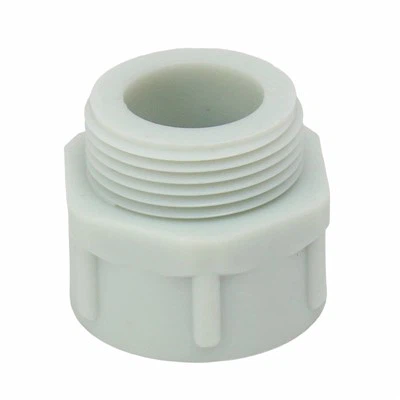
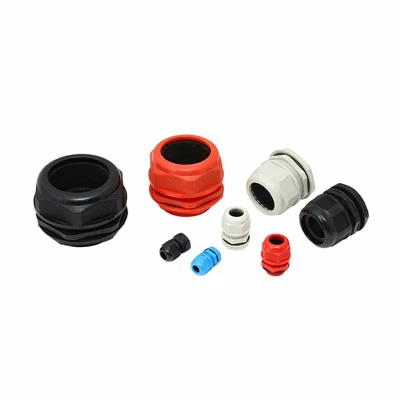
The plastic cable glands of the series belong to the premium segment and meet the highest demands on quality. Numerous certifications prove the high level and give the customer the necessary security. High-quality materials are used, including polyamide pa6, also in v-0 quality with flame protection. The broad portfolio includes UV- and weather resistant cord grips, elbow fittings, cable gland options with anti-bend protection, strain relief and pressure equalization. Accessories also include reductions, enlargers and adapters in many sizes with pg, npt and metric threads. Standard liquid-tight polyamide (nylon) strain-relief connectors are used in most industrial applications for protecting and sealing a cable or wire in the transition across a panel or machine wall. They accept a wide range of cable diameters, offer mechanical strength nearly equal to that of their metal counterparts, yet they are light, extremely resistant to corrosion and cost-effective.


Advantages of Plastic Stuffing Gland

Protection

Cable glands ensure that cables are protected from environmental hazards, extending their service life and minimizing the risk of electrical failure.

Flexibility

Cable glands come in a variety of sizes, materials and designs to accommodate different cable types and sizes, providing installation flexibility.

Safety

By securing cables and grounding, cable glands reduce the chance of electric shock, equipment damage, and potential danger to personnel.

Why Choose Us


Our factory
Fenghua Antaier Electric Co., Ltd. is a new company specializing in the production of cable waterproof joints, reducing rings, plugging parts, marine accessories and other products. The company was established in 2009 and has a vibrant management team to continuously optimize human resources Improve management strength.


Production applictaion
We have metal cable gland,plastic cable gland,explosion-proof grand head,cable stuffing box,cable entry, nylon products. Products are widely used in port machinery, machine tools, automation equipment, supporting oil fields, communication equipment, connectors, electric locomotives, solar photovoltaic electronics, shipbuilding and other major industries.


Our service
We try and respond to all concerns within 24 hours and our teams are always at your disposal in case of any emergencies.


Plastic Stuffing Gland Types and What the Purpose Is of Each
NPT Thread Nylon Gland
Nylon Metric Thread Dome Plug
Nylon PG Thread Dome Plug
Nylon PG Thread Reducer

Why does Thread Type Matter? – When it comes to cord grips, cable glands and strain relief fittings, choosing the right thread type for the job makes all the difference. The success of your application relies on proper installation which is why choosing the correct thread is so important.

All thread types have their own advantages, uses and locations they originated in. The locational origins of these styles still affect what is used with the exception of Metric. Metric originated in Europe and is used worldwide as the standard. While the other styles, NPT, and PG are directly affected by the location of origin. An applications threading may also need to have elongated threads meaning additional thread length is required to mount through a piece of equipment or enclosure.

NPT stands for National Pipe Thread and is the US standard for tapered threads for connectors and fittings. NPT threads are usually longer than Metric or PG and taper toward the end. The taper rate for all NPT threads is 1/16. NPT threads are designed to create a liquid-tight seal upon tightening. The flanks of the threads compress against each other which allow them to form a seal when torque is applied.

NPT threads are used in a wide range of materials to suit a variety of environments and conditions and are most commonly used on products in the United States. You would want to use NPT threads in applications that require an effective seal from liquids, gases, and steam.

Even though Metric threads are European, they are the most common thread type used world-wide. Metric threads are characterized by their major diameter and pitch, both expressed in millimeters. For example, an M20 x 1.5 fitting has a major diameter of 20mm and a pitch of 1.5mm. You would want to use Metric threads in export equipment or on projects that could be used in many locations world wide.
PG stands for Panzer-Gewinde and is an older German thread type. PG threads are straight threads designed with a smaller thread depth and larger flank angle. The 80° angle of the PG thread gives a shorter profile than the more common 60° angle found in Metric threads.


Plastic Stuffing Gland with Various Thread Options Bringing Versatility to Electrical Projects
 

Cable gland connectors with fixed external threads
In cable gland connectors with fixed external threads, the external threads on the gland body are rigidly attached or moulded onto the body itself. This means that the threads cannot rotate or swivel independently of the gland body during installation. When installing the gland onto a panel or enclosure, the entire gland body rotates to tighten the threads onto the mating surface. Simple and economical design. The sealing mechanism can be reliably positioned and maintained, ensuring consistent and effective sealing against environmental factors like dust, moisture, or gases. Fixed external threads eliminate the need for adjusting or aligning threads during installation, streamlining the process.


Cable glands with swivel external threads
Cable glands with fixed external threads may require more space for installation since the entire gland body rotates during tightening. If more flexibility and convenience during installation is needed, cable gland connectors with swivel external threads can be used. They feature external threads that can rotate or swivel independently of the gland body. The gland body remains stationary while only the external threads rotate during installation, making it easier to tighten the gland onto the mating surface without having to rotate the entire gland body.
Easier alignment with cable entry points, especially in tight or awkward spaces. Swivel external threads allow for slight adjustments to accommodate misalignment. The ability to adjust the orientation of the gland helps in reducing strain on cables during installation.


Cable gland connectors with swivel flange
Cable glands with swivel flange combine the features of swivel external threads with an additional flange component. The flange is a flat or slightly curved metal or plastic plate attached to the gland body. It provides a mounting surface for securely fastening the cable gland to a panel or enclosure. During installation, the swivel flange allows the gland body to remain stationary while only the external threads rotate. This makes it easier to tighten the cable gland connector onto the mating surface without having to rotate the entire gland body. Once the external threads are tightened, the flange can be secured to the panel or enclosure using screws or other fasteners, providing a stable and secure mounting arrangement.


Metric Thread Nylon Gland


Plastic Stuffing Gland Size

A cable gland size is dependent on the overall diameter’s nominal dimensions, the armor diameter and the thickness of the cable. Cable gland size charts make it easy to find your application’s cable gland size. This chart acts as a cable gland size calculator. The cable cross-section area (mm²) is represented in the rows, while the number of cores in the cable are listed in the columns.

Cable sizes can range from 1.5 mm² to 1000 mm², and the number of cores can range from one to 48. Even with this wide range, cable gland size charts make it easy to find any application’s corresponding cable gland size. For example, say your cable size comes to 10 mm², and your number of cores is four. Using the chart, we see the intersecting point for these two variables is 25, meaning the correct cable gland size for your needs is 25.

On the cable gland size chart, you may also notice some numbers are followed by an “S,” for example, 20S. This letter indicates the inner assembly locking thread will be a small size. This thread size indicator helps you ensure you’ve picked the correct cable gland size and type.


Steps to Calculate the Actual Size of a Plastic Stuffing Gland


Determine the cable diameter
To ensure the correct selection of a cable gland, measure the diameter of the cable intended for use. Utilize precision instruments such as a caliper or measuring tape to obtain an accurate measurement.


Consider cable gland size standards
Cable gland sizes are governed by various standards, including those established by the National Electrical Manufacturers Association (NEMA) and the International Electrotechnical Commission (IEC).


Select cable gland material
When selecting a cable gland, it is imperative to consider the environmental conditions to which the cable will be exposed. Choose a gland made of material appropriate for the specific environment, with options including stainless steel, brass, or plastic. Key factors such as corrosion resistance, operational temperature range, and chemical resistance should play a pivotal role in your decision-making process.


Consult a cable gland size chart or calculator
Numerous manufacturers of cable glands provide detailed size charts or online calculators. These resources are designed to help users determine the appropriate gland size by considering cable diameter and other specific requirements.


Consider cable gland features
When selecting a cable gland, it is essential to consider not only the size but also other critical features such as thread type, ingress protection (IP) rating, strain relief capabilities, and relevant certification standards.


Factors to Consider When Selecting Plastic Stuffing Gland

When selecting a cable gland, there are several factors to consider, including:

Cable type and size

The type and size of the cable will determine the size and type of cable gland required. It is essential to select a gland that is compatible with the cable type and size.

01

Environmental conditions

The environmental conditions where the gland will be installed, such as temperature, humidity, and corrosive elements, must be taken into account to ensure that the gland is suitable for the application.

02

Hazardous areas

If the cable gland will be installed in a hazardous area, such as a location with flammable gases or liquids, it must be designed and certified for use in that environment.

03

IP rating

The IP (Ingress Protection) rating of the cable gland indicates its level of protection against dust and moisture. The appropriate IP rating should be selected based on the environmental conditions where the gland will be installed.

04

Material

Cable glands are available in a variety of materials, including brass, stainless steel, and plastic. The material should be selected based on the application requirements and the environmental conditions.

05


Installation and Maintenance Tips for Plastic Stuffing Gland


Proper installation of cable glands is essential for achieving a reliable and watertight seal. Here are some step-by-step guidelines to follow:


Preparation
Before installation, ensure that the cable is clean, dry, and free from any dirt or debris. Remove any sharp edges or burrs from the cable and gland entry hole to prevent damage to the sheath during installation.


Select the right gland size
Choose a cable gland that matches the diameter of the cable. An oversized gland may result in an inadequate seal, while an undersized gland may cause undue stress on the sheath.


Sealing techniques
Apply an appropriate sealing compound or thread sealant to the cable gland’s threads to improve the seal’s effectiveness. This prevents moisture ingress and protects against corrosion.


Correct tightening torque
Follow the manufacturer’s instructions regarding torque recommendations. Over-tightening can cause damage to the cable or gland, while insufficient tightening may lead to improper sealing.


Grounding
If required, ensure the proper grounding of the cable gland to prevent the build-up of static charges. Consult electrical codes or regulations for specific grounding requirements.


Our factory

Fenghua Antaier Electric Co., Ltd. is a new company specializing in the production of cable waterproof joints, reducing rings, plugging parts, marine accessories and other products. The company was established in 2009 and has a vibrant management team to continuously optimize human resources Improve management strength. By investing in various testing tools, improving product quality, and developing new products, Antaier people are working towards the goal of "not seeking the largest, but seeking the most professional". Metal Cable Gland,Plastic Cable Gland,Explosion-proof Grand Head,Cable Stuffing Box,Cable Entry, Nylon Products. Products are widely used in port machinery, machine tools, automation equipment, supporting oil fields, communication equipment, connectors, electric locomotives, solar photovoltaic electronics, shipbuilding and other major industries.

productcate-1-1


certificates
 
productcate-1-1
productcate-1-1
productcate-1-1
productcate-1-1


FAQ
 

Q: What is a plastic stuffing gland?

A: A plastic stuffing gland is a component used in various industrial applications, particularly in fluid sealing systems. It is made of plastic material and designed to compress and hold sealing materials (like packing) against a shaft or piston, preventing fluid leakage.

Q: What are the common materials used for stuffing glands?

A: Besides plastic, stuffing glands can also be made of metals like stainless steel, brass, and cast iron, or non-metallic materials like rubber or ceramic, depending on the application and fluid properties.

Q: What are the advantages of plastic stuffing glands?

A: Plastic stuffing glands offer corrosion resistance, low cost, and ease of manufacturing. They are lightweight and can be suitable for applications where metallic glands might be too heavy or costly.

Q: In what industries are plastic stuffing glands used?

A: They are commonly used in industries such as pump manufacturing, marine engineering, chemical processing, and food handling, where fluid sealing is crucial.

Q: How do plastic stuffing glands differ from metallic ones?

A: Plastic glands are typically lighter, less expensive, and offer corrosion resistance. However, they may have lower temperature tolerance and mechanical strength compared to metallic glands.

Q: What are the typical dimensions of a plastic stuffing gland?

A: Dimensions can vary widely depending on the application. Common sizes range from small glands for miniature pumps to large glands for industrial machinery.

Q: How do you install a plastic stuffing gland?

A: Installation involves placing the gland around a shaft or piston, inserting sealing material (packing), and tightening the gland to compress the packing and create a seal.

Q: What are the common failure modes of plastic stuffing glands?

A: Failures can include leakage due to worn-out packing, cracking of the plastic material, or improper installation.

Q: How do you maintain a plastic stuffing gland?

A: Regular inspection, tightening, and replacement of worn-out packing are essential. Ensure the gland is not over-tightened, which can cause premature failure.

Q: Can plastic stuffing glands be used in high-temperature environments?

A: While some plastics can tolerate high temperatures, many cannot. Check the material specifications before using in high-temperature applications.

Q: Are plastic stuffing glands suitable for high-pressure applications?

A: Their suitability depends on the plastic type and design. Some plastics may not withstand high pressures and may require reinforcement or the use of metallic glands.

Q: What are the environmental considerations for using plastic stuffing glands?

A: Consider the plastic's recyclability, biodegradability, and potential for leaching harmful chemicals into the environment.

Q: How do you select the right plastic stuffing gland for an application?

A: Consider factors such as fluid properties, temperature, pressure, shaft size, and material compatibility.

Q: What are the alternatives to plastic stuffing glands?

A: Alternatives include metallic glands, mechanical seals, and O-rings, depending on the specific requirements of the application.

Q: Can plastic stuffing glands be repaired?

A: In some cases, yes, depending on the damage. Repairs may involve replacing worn-out parts or reinforcing the gland.

Q: What are the safety considerations for handling plastic stuffing glands?

A: Wear appropriate protective gear, such as gloves and eye protection, to avoid cuts or injuries from sharp edges or broken parts.

Q: Are there any regulations or standards governing the use of plastic stuffing glands?

A: Regulations and standards may vary by industry and region. Check with local authorities or industry associations for specific requirements.

Q: How do plastic stuffing glands compare in cost to other sealing solutions?

A: Plastic glands are generally less expensive than metallic glands but may have a shorter lifespan in harsh environments.

Q: What is the lifespan of a plastic stuffing gland?

A: Lifespan depends on factors such as material quality, application conditions, and maintenance practices. Regular inspection and maintenance can extend the lifespan.

Q: Can plastic stuffing glands be used in cryogenic applications?

A: Some plastics can tolerate low temperatures, but check the material specifications before use in cryogenic environments.

As one of the most professional plastic stuffing gland suppliers in China, we're featured by quality products and good service. Please rest assured to buy customized plastic stuffing gland from our factory. Contact us for more details.

plastic reinforcement gland, plastic rotational molding gland, maintenance of plastic gland

(0/10)

clearall