Explosion Proof Gland

What Is Explosion Proof Gland


Explosion-proof cable glands are the mechanical cable entry devices attached to the end of electrical cables, securing them to other electrical equipment, such as explosion-proof junction boxes, electrical terminals, and plugs. They are essential for terminating cables in harsh or hazardous areas where sealing and ingress protection is necessary. Additionally, they offer strain relief and protect delicate electrical wiring from corrosion, harmful gases, rust, and water. As you can see, these cable glands must match the environment in which they are used. The harsher the environment, the more robust a cable gland must be, as it can be costly if the wrong cable gland is utilised. They must also be selected according to the explosion protection methods employed.


Advantages of Explosion Proof Gland

Enhanced safety

Reliable explosion-proof cable glands significantly reduce the risk of electrical equipment becoming a potential ignition source in explosive atmospheres.

Long-term reliability

Investing in quality cable glands ensures long-term performance, reducing the need for frequent replacements and maintenance.

Compliance

Using certified cable glands ensures compliance with industry standards and regulations, providing peace of mind during inspections and audits.


Why Choose Us


Our factory
Fenghua Antaier Electric Co., Ltd. is a new company specializing in the production of cable waterproof joints, reducing rings, plugging parts, marine accessories and other products. The company was established in 2009 and has a vibrant management team to continuously optimize human resources Improve management strength.


Production applictaion
We have metal cable gland,plastic cable gland,explosion-proof grand head,cable stuffing box,cable entry, nylon products. Products are widely used in port machinery, machine tools, automation equipment, supporting oil fields, communication equipment, connectors, electric locomotives, solar photovoltaic electronics, shipbuilding and other major industries.


Our service
We try and respond to all concerns within 24 hours and our teams are always at your disposal in case of any emergencies.


productcate-1-1


Introduction to the Basic Knowledge of Explosion-Proof Gland

Explosion proof cable gland, also called explosion proof fittings, explosion proof electrical fittings, flame proof fittings, flameproof electrical fittings, waterproof cable gland, flameproof cable gland, ex proof cable gland, explosion proof glands, hazardous area cable glands, atex certificated cable glands, exe cable gland, hazardous area glands, flame proof gland, explosion proof cable connectors, flame proof connectors, brass compression gland, explosion proof cgb.

Explosion proof cable glands are installed at the cable entry of explosion proof enclosure to terminal the cable access, hold the force of being pulled out for cable and perform the connection management of cable ends by securing the cable conductor and the end of cable passing in the enclosure. With extra features such as grounding, insulation, strain relief, ingress protection, explosion proof cable gland are designed with flame proof Ex d metal body to prevent any ignition from spreading out or constructed with increased safety Ex e metal or plastic body to prevent any ignition from arising inside the body to be used in harsh and hazardous location. Material ranges from polyamide, carbon steel, stainless steel, nickel plated brass for armored or non-armored cable, single sealing.


Types of Explosion Proof Gland

There are several types of explosion-proof cable glands, each designed to meet specific requirements and standards. Some of the common types of explosion-proof cable glands include:


Flameproof cable glands

Flameproof cable glands are designed to contain any explosion that May occur within the cable or the equipment. These glands are made of materials that can withstand the high pressures and temperatures that are generated during an explosion. They are also designed to prevent any sparks or heat from escaping the cable or the equipment and igniting any flammable substances in the surrounding environment.


Increased safety cable glands

Increased safety cable glands are designed to reduce the risk of explosions and fires by limiting the amount of energy that can be transmitted to the cable or the equipment. These glands are made of materials that can withstand the high pressures and temperatures that May occur during an explosion, and they are designed to prevent any sparks or heat from escaping the cable or the equipment.


Exe cable glands

Exe cable glands are designed for use in environments where there is a risk of explosion due to the presence of flammable gases, vapors, or dusts. These glands are made of materials that can withstand the high pressures and temperatures that May occur during an explosion, and they are designed to prevent any sparks or heat from escaping the cable or the equipment.


Applications of Explosion Proof Gland


Explosion-proof cable glands are essential in various industries where safety is a top priority. These glands are commonly used in the oil and gas, chemical plants, and pharmaceutical industries to ensure that electrical systems remain safe and operational even in hazardous environments.


Oil and gas industry
In the oil and gas industry, explosion-proof cable glands protect electrical wiring from flammable gases and liquids. These glands provide a secure seal around cables, preventing potential ignition sources from causing explosions in volatile environments. Whether it's offshore drilling platforms or onshore refineries, these cable glands play a vital role in ensuring the safety of personnel and equipment.
Explosion-proof cable glands in the oil and gas industry protect against potential explosions and help maintain electrical systems' integrity in harsh and corrosive environments. By providing a secure seal around cables, these glands prevent the ingress of moisture, dust, and other contaminants that could compromise the performance of electrical equipment. This ensures safety and helps extend the lifespan of critical infrastructure, reducing maintenance costs and downtime.


Chemical plants
Chemical plants often deal with corrosive substances and highly reactive materials, making explosion-proof cable glands indispensable for maintaining electrical integrity. These glands effectively seal cables entering hazardous areas, preventing any sparks or heat generated by electrical equipment from igniting flammable vapors or dust. This ensures that critical processes can continue without the risk of fire or explosion.


Pharmaceutical industry
In the pharmaceutical industry, where precision is key and cleanliness is paramount, explosion-proof cable glands help maintain the integrity of electrical connections in sensitive manufacturing environments. By providing a secure barrier against dust, moisture, and other contaminants, these cable glands ensure that electrical systems remain reliable and safe within cleanroom facilities where strict regulations must be adhered to.
In addition to maintaining the integrity of electrical connections, explosion-proof cable glands also play a crucial role in preventing potential hazards such as fires and explosions in pharmaceutical manufacturing facilities. By containing any potential sparks or flames that May occur within the electrical systems, these cable glands help to minimize the risk of accidents and ensure the safety of personnel working in these sensitive environments. This added layer of protection is essential for pharmaceutical companies to uphold their commitment to employee safety and regulatory compliance.
Explosion-proof cable glands are indispensable across various industries where hazardous environments pose significant risks to personnel and equipment. They can withstand harsh conditions while maintaining safety standards.

Temperature Ratings of Explosion Proof Gland
 

Cable glands are not allocated a ‘T’ class unlike like other items of hazardous area electrical equipment because they are designed as a component part of a piece of equipment and in themselves cable glands do not produce heat; therefore it is impossible to assess any heating effects. However glands are allocated a “service” temperature, which is the temperature range to which a cable gland may be subjected to in service (if not specified in the certification report this is assumed to be -20ºC / +40ºC) and it is the responsibility of the user, in accordance with the installation codes of practice, to select an appropriate gland.


In some cases it may be possible for a cable gland manufacturer to state that a gland is suitable for a specific ‘T’ class application, i.e. where the glands specified ‘service’ temperature significantly exceeds the limiting temperature of the specified ‘T’ class, but the gland will not be marked with any ‘T’ rating.


In most cases the above assessment is determined and decided by the end user, since ‘T’ classes are allocated on the basis of a maximum possible external surface temperature, whilst in service the gland may see greater internal temperatures, or vastly reduced temperatures, due to factors like positioning, the external ambient and the geometry of the enclosure to which the cable glands are fitted.


How Do I Choose a Explosion Proof Gland


Choosing the right cable gland depends on several factors, such as the application, environment, cable type, and size. Here are some general steps to follow when selecting a cable gland:


Determine the cable type and size
Cable glands come in different sizes and are designed to work with specific types of cables. Measure the diameter of the cable and determine its type (e.g., armoured, unarmoured , braided, etc.)


Identify the application and environment
Consider the location where the cable gland will be installed, including the temperature, humidity, and any potential hazards like chemicals or moisture.


Select the material
Depending on the application and environment, you may need to choose a cable gland made from specific materials, such as plastic, stainless steel, brass, or aluminum.


Choose the sealing method
Cable glands can have different sealing methods, such as compression, explosion-proof, or weather-resistant. Select a gland with a sealing method that meets the needs of your application.


Check for certifications
Depending on the industry or application, you may need to choose a cable gland that meets specific certifications or standards, such as ATEX or IP ratings.


Consider additional features
Some cable glands may have additional features, such as strain relief, EMC shielding, or grounding capabilities. Consider these features based on your specific needs.


Selecting the right cable gland requires careful consideration of the application, cable type, environment, and sealing requirements. Be sure to consult with a qualified professional if you are unsure about which cable gland is right for your application.


Explosion-proof cable glands are an essential component of electrical systems in hazardous areas. They play a critical role in preventing explosions and fires, and they ensure the safety and reliability of the electrical connections.


Training to Install Explosion Proof Gland


The process of installing the gland depends on the type of explosion-proof cable you are using. However, the basics are generally the same. So you can use what we have shared as a template. However, before starting, please ensure that the installation is carried out by a qualified professional with relevant experience and knowledge.


Installation of explosion-proof gland
Before starting the installation process, make sure that all electrical equipment and power cords are turned off and disconnected. We also recommend checking the cable tube to make sure it is the correct size and compatible with your cables.


In addition, follow the manufacturer’s instructions and ensure that you always follow workplace safety practices. If you work in a dusty environment or have solvents and chemicals in your workplace, you need to properly maintain your cable glands to avoid exposure to these substances. Finally, be careful not to damage the loose input wires.


Installation of gland cable
Now that you’re ready to start, open the explosion-proof cable and remove the nut. To get the right length for the pipe size, you need the right tool to strip the outer sheath of the cable. Don’t forget to expose the internal metal armor if there is any.


Installation of gland cable
After completing these steps, insert the right end of the gland into the cable before placing the sheath or armor evenly around the gland. After that, re-lubricate the nut and carefully tighten it using a wrench or similar tool to secure the gland.


Please note that some cables have two halves. These are designed to fit on both sides of the enclosure to ensure cable sealing. To install this cable gland, you must drill a hole in the wall of the application before securing each half of the gland.


How to Maintain Explosion Proof Gland

Maintaining explosion-proof components is crucial to ensure their continued safety and functionality in environments where the risk of explosions or fires is present. Explosion-proof equipment is designed to prevent the ignition of surrounding gases, vapors, dust, or fibers. Here are some general guidelines for maintaining explosion-proof components:

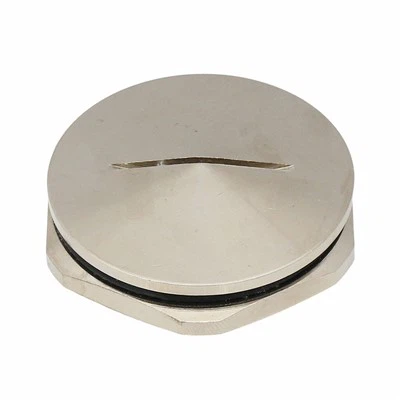
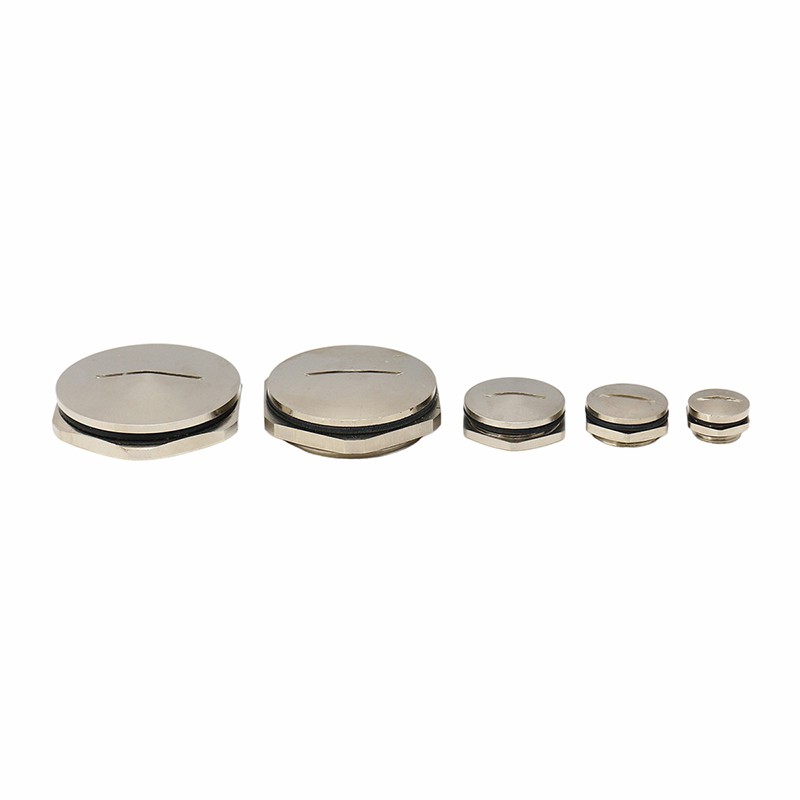
Brass Dome Plug NPT Thread
Explosion Proof Cable
Explosion-proof Gland NPT Thread
PKM Series Cable Gland

Regular inspections
Schedule regular visual inspections of explosion-proof components to check for any signs of damage, corrosion, or wear. Inspect seals, gaskets, and enclosures for integrity. Look for loose connections or components that May compromise the explosion-proof properties.


Follow manufacturer guidelines
Adhere to the manufacturer's maintenance guidelines and recommendations. Manufacturers often provide specific instructions for inspection intervals, cleaning procedures, and replacement of critical components. Always consult the user manual for guidance.


Clean components properly
Clean explosion-proof components using methods and cleaning agents recommended by the manufacturer. Avoid using abrasive materials or harsh chemicals that could damage seals or protective coatings. Keep components free from dust, debris, or any substances that could interfere with their operation.


Check seals and gaskets
Ensure that all seals and gaskets are in good condition. These components are critical for maintaining the explosion-proof integrity of the equipment. Replace any damaged or worn seals promptly to prevent the ingress of hazardous substances.


Inspect wiring and connections
Regularly inspect wiring and connections for signs of wear, corrosion, or damage. Loose connections can create sparks, posing a risk in explosive environments. Tighten connections as needed and replace any damaged wiring.


Verify enclosure integrity
Confirm that the enclosure of explosion-proof equipment remains intact and undamaged. This includes checking for any cracks, dents, or openings that could compromise the protective features. Replace enclosures that show signs of damage.


Ensure proper venting
Explosion-proof enclosures often have venting mechanisms to release pressure in the event of an internal explosion. Check these vents to ensure they are clear of obstructions and functioning correctly. Regularly replace any damaged venting components.


Calibration of instruments
If the explosion-proof equipment includes monitoring or measuring instruments, ensure they are calibrated regularly. Calibration ensures accurate readings and proper functioning. Follow the manufacturer's recommendations for calibration intervals.


Our factory

Fenghua Antaier Electric Co., Ltd. is a new company specializing in the production of cable waterproof joints, reducing rings, plugging parts, marine accessories and other products. The company was established in 2009 and has a vibrant management team to continuously optimize human resources Improve management strength. By investing in various testing tools, improving product quality, and developing new products, Antaier people are working towards the goal of "not seeking the largest, but seeking the most professional". Metal Cable Gland,Plastic Cable Gland,Explosion-proof Grand Head,Cable Stuffing Box,Cable Entry, Nylon Products. Products are widely used in port machinery, machine tools, automation equipment, supporting oil fields, communication equipment, connectors, electric locomotives, solar photovoltaic electronics, shipbuilding and other major industries.

productcate-1-1


certificates
 
productcate-1-1
productcate-1-1
productcate-1-1
productcate-1-1


FAQ
 

Q: What is an explosion-proof gland?

A: An explosion-proof gland is a device designed to securely and safely connect cables to electrical equipment in hazardous, explosive environments. It prevents sparks or explosions from spreading within the system.

Q: What are the primary functions of an explosion-proof gland?

A: Its primary functions include providing a secure cable clamping mechanism, maintaining electrical continuity, and ensuring that any explosion within the gland does not propagate to the surrounding hazardous area.

Q: In which industries are explosion-proof glands commonly used?

A: They are commonly used in industries such as oil and gas, petrochemicals, mining, and chemical processing, where flammable gases or vapors may be present.

Q: What materials are explosion-proof glands made of?

A: They are typically made of metal alloys like brass, stainless steel, or aluminum, which can withstand high pressures and temperatures.

Q: How do explosion-proof glands differ from standard glands?

A: Explosion-proof glands have additional features such as flame paths, pressure-relief devices, and sealing compounds to prevent the spread of explosions.

Q: What are the standards for explosion-proof glands?

A: They must comply with international standards such as IECEx, ATEX, and FM Approvals, which specify construction, testing, and performance requirements.

Q: How do you install an explosion-proof gland?

A: Installation involves stripping the cable, inserting it into the gland, clamping it securely, and ensuring all sealing elements are in place.

Q: What are the different types of explosion-proof glands?

A: Types include cable glands for multi-core cables, single-core cables, and armored cables, as well as glands for specific hazardous locations.

Q: What is the role of the sealing compound in an explosion-proof gland?

A: The sealing compound fills gaps between the cable and gland, preventing the ingress of gases, vapors, or moisture.

Q: Can explosion-proof glands be repaired?

A: Yes, but repairs should be performed by qualified personnel and in accordance with manufacturer instructions.

Q: How often should explosion-proof glands be inspected?

A: Regular inspections, typically annually or as specified by local regulations, are recommended to ensure their integrity.

Q: What are the potential hazards if explosion-proof glands are not properly maintained?

A: If not properly maintained, they may fail to prevent explosions, leading to property damage, personal injury, or even fatalities.

Q: Can explosion-proof glands be used with all types of cables?

A: No, they are designed for specific cable types and sizes, and incorrect use may compromise their effectiveness.

Q: Are explosion-proof glands required by law?

A: Yes, in many countries and regions, their use is mandatory in hazardous areas to comply with safety regulations.

Q: What are the benefits of using explosion-proof glands?

A: They provide a high level of safety, prevent equipment damage, and reduce the risk of downtime and maintenance costs.

Q: Can explosion-proof glands be customized?

A: Yes, manufacturers can customize glands to meet specific application requirements, such as cable diameter, thread type, and material.

Q: What are the environmental considerations for explosion-proof glands?

A: They must be able to withstand extreme temperatures, pressures, and corrosive environments without compromising their effectiveness.

Q: What are the cost implications of using explosion-proof glands?

A: While they may have a higher initial cost, their long-term benefits in terms of safety and reduced downtime make them a cost-effective solution.

Q: How do explosion-proof glands compare to other explosion-proof technologies?

A: They offer a reliable and cost-effective solution compared to other technologies, such as explosion-proof enclosures or barriers.

Q: What advancements are being made in explosion-proof gland technology?

A: Advancements include the development of new materials, improved sealing compounds, and innovative designs that enhance safety and performance.

As one of the most professional explosion proof gland suppliers in China, we're featured by quality products and good service. Please rest assured to buy customized explosion proof gland from our factory. Contact us for more details.

Brass Dome Plug G Thread, explosion proof gland, Brass Dome Plug PG Thread

(0/10)

clearall