

Are there different types of explosion proof cable?
Nov 07, 2025
Hey there! As a supplier of Explosion Proof Cable, I often get asked if there are different types of explosion proof cables. The short answer is yes, and in this blog, I'm gonna break down the various types, their features, and where they're typically used.
Understanding Explosion Proof Cables
First off, let's understand what an explosion proof cable is. These cables are designed to prevent the ignition of explosive atmospheres. They're built to withstand harsh conditions and protect against the spread of flames and sparks that could set off an explosion.
Types of Explosion Proof Cables
Mineral Insulated (MI) Cables
MI cables are one of the most reliable types of explosion proof cables. They consist of a copper conductor insulated with magnesium oxide powder and enclosed in a copper sheath. This construction makes them highly resistant to fire, heat, and mechanical damage.
The magnesium oxide insulation is non - combustible, which means it won't contribute to a fire. And the copper sheath provides a high level of protection against physical damage. MI cables are often used in high - risk areas such as oil refineries, chemical plants, and power generation facilities.
Armored Cables
Armored Cable Gland is often associated with armored explosion proof cables. These cables have an additional layer of armor, usually made of steel or aluminum. The armor provides mechanical protection, preventing the cable from being damaged by external forces like impact or abrasion.
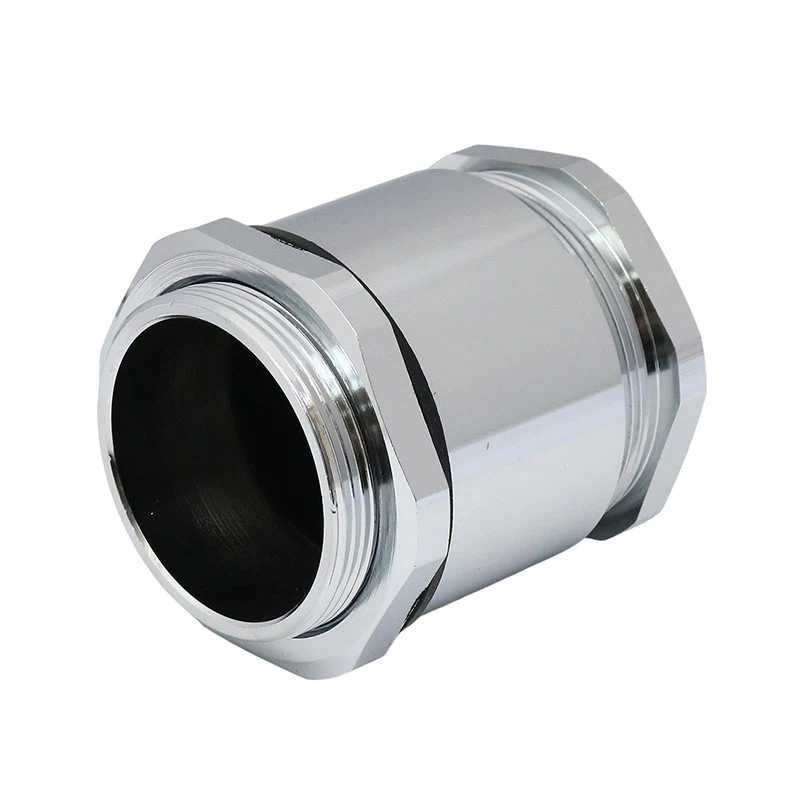

Armored explosion proof cables are suitable for outdoor and industrial applications where the cable may be exposed to rough handling or environmental hazards. They're commonly used in mining operations, construction sites, and outdoor electrical installations.
Flame - Retardant Cables
Flame - retardant cables are designed to slow down or prevent the spread of fire. They're made with special materials that have low flammability and can self - extinguish when the source of ignition is removed.
These cables are a great choice for buildings, commercial spaces, and areas where fire safety is a concern. While they may not be as robust as MI or armored cables in extremely hazardous environments, they offer a cost - effective solution for general fire protection.
Flexible Cables
Flexible explosion proof cables are designed for applications where the cable needs to be bent or moved frequently. They're made with flexible conductors and insulation materials that can withstand repeated flexing without breaking.
Flexible cables are commonly used in portable equipment, machinery, and robotics. For example, in a manufacturing plant where robots need to move around, flexible explosion proof cables ensure that the electrical connections remain safe and reliable.
Factors to Consider When Choosing an Explosion Proof Cable
Hazardous Area Classification
Different types of explosion proof cables are suitable for different hazardous area classifications. For example, in areas with a high risk of gas or vapor explosions, you'll need a cable that meets the specific requirements for that type of environment. Make sure to consult the relevant standards and regulations to choose the right cable for your area.
Temperature Range
The temperature range of the environment where the cable will be used is also an important factor. Some cables are designed to operate in extreme cold or hot conditions. For instance, MI cables can withstand very high temperatures, making them ideal for applications near furnaces or in hot industrial processes.
Flexibility Requirements
If your application requires the cable to be flexible, then you should choose a flexible explosion proof cable. On the other hand, if the cable will be installed in a fixed position, a rigid cable may be more suitable.
Where to Use Different Types of Explosion Proof Cables
Oil and Gas Industry
In the oil and gas industry, where the risk of explosion is extremely high, MI cables and armored cables are commonly used. These cables can withstand the harsh conditions, including high pressures, corrosive chemicals, and extreme temperatures.
Chemical Plants
Chemical plants also require explosion proof cables that can resist the effects of various chemicals. Flame - retardant and armored cables are often used here to ensure the safety of the electrical systems.
Marine Applications
For marine applications, TJ - Clamping Marine Cable Gland is often paired with explosion proof cables. These cables need to be resistant to saltwater corrosion and mechanical stress. Flexible and armored cables are popular choices in this industry.
Why Choose Our Explosion Proof Cables
As a supplier, we offer a wide range of explosion proof cables to meet your specific needs. Our cables are made with high - quality materials and undergo strict quality control tests to ensure their performance and safety.
We understand that every application is unique, and we're here to help you choose the right cable for your project. Whether you need a cable for a small industrial project or a large - scale oil refinery, we've got you covered.
Contact Us for Procurement
If you're in the market for explosion proof cables, we'd love to hear from you. Whether you have questions about the different types of cables, need a quote, or want to discuss your specific requirements, don't hesitate to reach out. We're committed to providing you with the best products and services to ensure the safety and reliability of your electrical systems.
References
- Electrical Installation Guide for Hazardous Areas
- Standards for Explosion Proof Equipment
- Handbook of Cable Technology