

Can a plastic stuffing gland be repaired?
Oct 02, 2025
Hey there! As a supplier of plastic stuffing glands, I often get asked a bunch of questions about these nifty little things. One question that pops up quite a bit is, "Can a plastic stuffing gland be repaired?" Well, let's dive right into it and find out.
First off, let's talk a bit about what plastic stuffing glands are. They're used in all sorts of industries to seal cables and pipes, keeping out dust, dirt, and moisture. They're made of plastic, which makes them lightweight, corrosion - resistant, and cost - effective. We offer a wide range of plastic stuffing glands, like the Nylon PG Thread Reducer, Nylon PG Thread Dome Plug, and Nylon Metric Thread Dome Plug. These products are popular because they're easy to install and work great in many different applications.
Now, back to the big question: can they be repaired? The answer is, it depends. There are a few common issues that plastic stuffing glands might face, and each one has a different solution.
1. Minor Cracks
If you notice a small crack in your plastic stuffing gland, there's a chance you can repair it. Small cracks can sometimes occur due to normal wear and tear or minor impacts. For these, you can use a plastic adhesive. There are plenty of good - quality plastic adhesives on the market that are designed to bond different types of plastics.

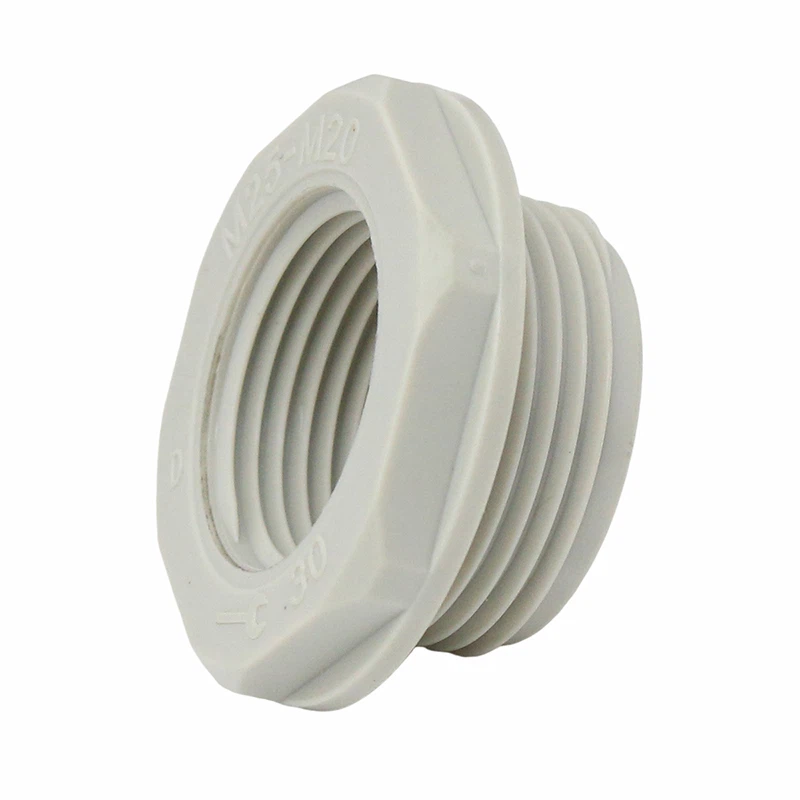
First, clean the area around the crack thoroughly. You can use a mild detergent and some water to get rid of any dirt or debris. Then, dry the area completely. Apply the adhesive according to the manufacturer's instructions. Usually, you'll need to apply a thin layer to both sides of the crack and then press them together firmly. Hold it in place for a while until the adhesive starts to set.
It's important to note that this repair might not be suitable for high - pressure or high - stress applications. If the gland is going to be under a lot of strain, the repaired crack might open up again. So, it's always a good idea to assess the situation carefully.
2. Loose Threads
Sometimes, the threads on a plastic stuffing gland can become loose. This can happen if the gland has been over - tightened or if it's been in use for a long time. If the threads are just a little loose, you can try using a thread - locking compound.
Thread - locking compounds are like a glue for threads. They help to keep the threads in place and prevent them from coming loose. Apply a small amount of the compound to the threads before you install the gland. Make sure to follow the instructions on the product, as different compounds have different curing times.
However, if the threads are severely damaged or stripped, it might be more difficult to repair. In some cases, you might need to replace the entire gland. Stripped threads can make it impossible to get a proper seal, which defeats the purpose of having a stuffing gland in the first place.
3. Sealing Issues
If the plastic stuffing gland isn't sealing properly, there could be a few reasons. It might be that the gland is the wrong size for the cable or pipe it's supposed to seal. In this case, you'll need to get a correctly sized gland.
Another reason could be that the sealing ring inside the gland is damaged. Sealing rings are an important part of the gland, as they create the actual seal. If the ring is damaged, you can usually replace it. Many suppliers, including us, sell replacement sealing rings for their plastic stuffing glands. Just make sure you get the right size and type of ring for your gland.
When to Replace Instead of Repair
There are times when it's just better to replace the plastic stuffing gland rather than trying to repair it. If the gland has been severely damaged, like having multiple large cracks or a completely broken body, it's probably not worth the effort to repair it. A damaged gland might not be able to provide an effective seal, which can lead to all sorts of problems, like water or dust getting into the cable or pipe.
Also, if the gland is old and has been through a lot of wear and tear, it might be better to get a new one. Over time, plastic can become brittle and lose its elasticity, which can affect the performance of the gland.
Tips for Maintaining Plastic Stuffing Glands
To avoid having to repair or replace your plastic stuffing glands too often, it's important to take good care of them. Here are some tips:
- Proper Installation: Make sure you install the gland correctly. Follow the installation instructions carefully, and don't over - tighten or under - tighten the gland.
- Regular Inspections: Check your glands regularly for any signs of damage or wear. This can help you catch problems early and take action before they get worse.
- Keep Them Clean: Keep the glands clean and free of dirt and debris. This can help prevent damage and ensure that they work properly.
In conclusion, plastic stuffing glands can often be repaired, but it really depends on the type and extent of the damage. Minor issues like small cracks or loose threads can usually be fixed with some simple steps. However, for more serious damage, it might be better to replace the gland.
If you're having any issues with your plastic stuffing glands or if you're looking to purchase new ones, don't hesitate to reach out. We're here to help you find the right solutions for your needs. Whether you need a Nylon PG Thread Reducer, a Nylon PG Thread Dome Plug, or a Nylon Metric Thread Dome Plug, we've got you covered. Contact us to start a discussion about your requirements, and let's work together to find the best products for your applications.
References
- "Plastic Materials Handbook" - A comprehensive guide on the properties and applications of different plastics.
- Manufacturer's instructions for plastic stuffing glands and related products.