

Can nlyon cable gland be used in high - humidity environments?
Dec 10, 2025
Hey there, folks! As a supplier of nlyon cable glands, I often get asked a bunch of questions about where these little guys can be used. One question that pops up a lot is, "Can nlyon cable gland be used in high - humidity environments?" Well, let's dig into this topic and find out together.
First off, let's talk a bit about what nlyon cable glands are. They're these awesome little devices that are used to connect and protect cables. They come in different thread types, like G Thread Nylon Gland, NPT Thread Nylon Gland, and PG Thread Nylon Gland. Each type has its own features and applications, but in general, they're designed to keep cables safe and sound.
Now, getting to the main point: high - humidity environments. These are places where the air is loaded with moisture, like near the ocean, in basements, or industrial areas with a lot of water vapor. The big concern here is that all that moisture can cause problems for electrical components, including cable glands.
One of the key factors to consider is the material of the nlyon cable gland. Nylon, which is what these glands are made of, has some properties that make it a pretty good candidate for high - humidity use. Nylon is known for its good resistance to water absorption. It doesn't soak up water like a sponge, which means that even in a humid environment, it won't get waterlogged and lose its structural integrity easily.
But that doesn't mean it's completely immune. Over time, if the humidity is extremely high and the gland is exposed for long periods, there might be a little bit of water absorption. This could potentially lead to some minor issues like a change in the mechanical properties of the gland. For example, it might become a bit more flexible or less strong. But usually, these changes are very small and don't affect the overall function of the gland too much.
Another thing to think about is corrosion. In high - humidity environments, metals can corrode pretty quickly. But since nlyon cable glands are made of nylon, they don't have this problem. Corrosion is a major headache in many industrial settings, and using nylon cable glands can help avoid that whole mess.
Sealing is also super important in high - humidity areas. A good cable gland should create a tight seal around the cable to prevent moisture from getting inside. Our nlyon cable glands are designed with this in mind. They have a proper sealing mechanism that helps keep the water out. This is crucial because if water gets into the cable, it can cause short - circuits, damage the insulation, and all sorts of other bad things.
However, there are some things you need to watch out for. If the high - humidity environment also has a lot of chemicals in the air or water, that could be a problem. Some chemicals can react with nylon and cause it to degrade. So, if you're in an area where there are chemicals like acids or solvents in the air, you might need to take extra precautions or consider other types of cable glands.
Installation is another key aspect. If the cable gland isn't installed correctly, the seal won't be perfect, and moisture can find its way in. Make sure to follow the installation instructions carefully. For example, when tightening the gland, don't over - tighten it so much that it cracks the nylon, but also make sure it's tight enough to create a good seal.
In terms of temperature changes that often come with high - humidity environments, nylon can handle a certain range. But if there are extreme temperature fluctuations, it could cause some expansion and contraction. This could potentially affect the seal over time. So, if you're in an area with really big temperature swings, you might want to keep an eye on the cable glands.
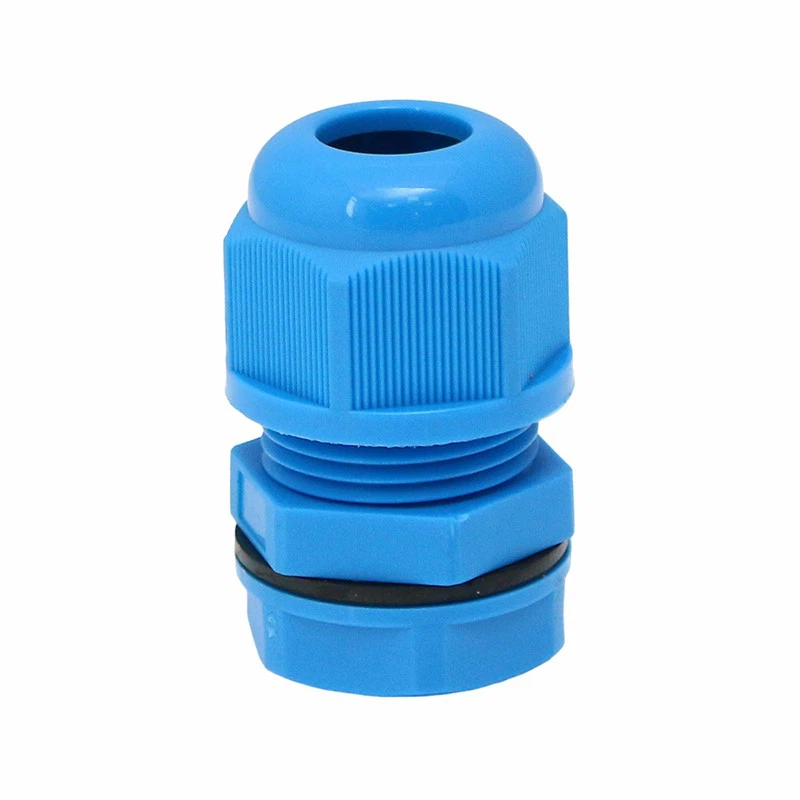

Now, let's sum it up. Can nlyon cable gland be used in high - humidity environments? The answer is yes, in most cases. The nylon material provides good water - resistance, it doesn't corrode, and it can form a decent seal to protect the cables. But it's important to be aware of the potential challenges like long - term water absorption, chemical exposure, and temperature changes.
If you're thinking about using nlyon cable glands for your high - humidity project, don't hesitate to reach out. We're here to help you choose the right type of gland and make sure you get the best performance. Whether you need a G Thread Nylon Gland, NPT Thread Nylon Gland, or PG Thread Nylon Gland, we've got you covered.
So, if you've got any questions or you're ready to start the procurement process, just drop us a line. We'll work with you to ensure that your cables are well - protected in even the most humid conditions.
References:
- "Nylon Materials and Their Properties" - A handbook on nylon materials
- "Electrical Cable Protection in Harsh Environments" - A technical guide on cable protection in different settings