

Can PG Thread Nylon Gland be used in transportation vehicles?
Sep 26, 2025
Can PG Thread Nylon Gland be used in transportation vehicles?

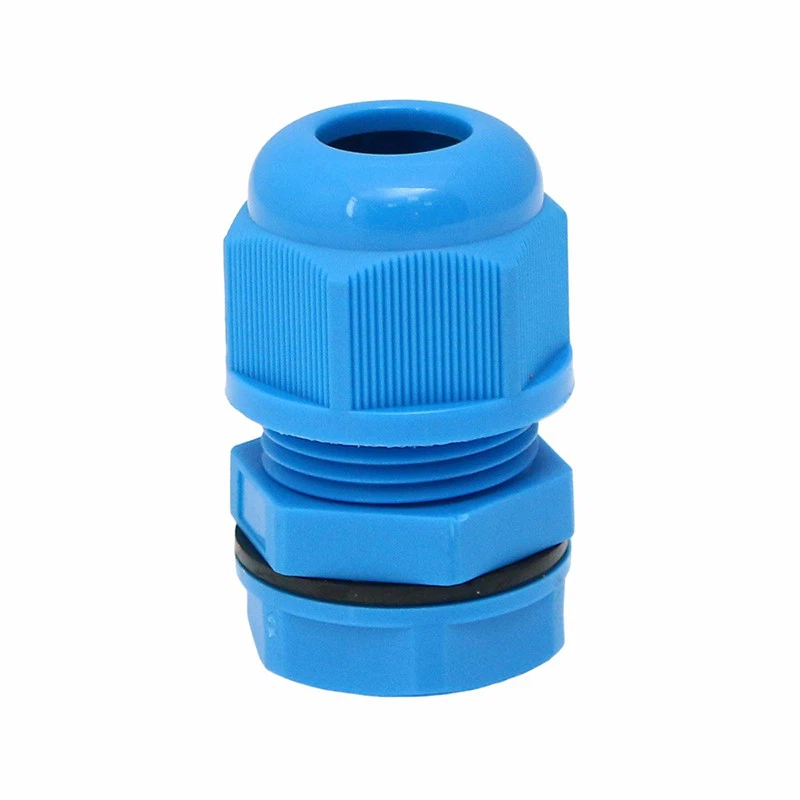
As a supplier of PG Thread Nylon Gland, I often receive inquiries about the suitability of our products in various applications, especially in transportation vehicles. In this blog post, I will delve into the characteristics of PG Thread Nylon Gland and analyze whether they can be effectively used in transportation vehicles.
Understanding PG Thread Nylon Gland
PG Thread Nylon Gland is a type of cable gland made from nylon material with a PG thread design. The PG thread, which stands for Panzerwasser - dichte Gewinde (armored waterproof thread), is a standardized thread commonly used in cable management systems. Nylon, on the other hand, is a synthetic polymer known for its excellent mechanical properties, chemical resistance, and relatively low cost.
Our PG Thread Nylon Gland offers several advantages. Firstly, nylon is lightweight, which is a crucial factor in transportation vehicles where weight reduction can lead to improved fuel efficiency and performance. Secondly, it has good electrical insulation properties, protecting the cables from electrical interference and short - circuits. Thirdly, nylon is resistant to corrosion, chemicals, and UV radiation, ensuring a long service life even in harsh environments.
Requirements in Transportation Vehicles
Transportation vehicles, whether they are cars, trucks, trains, or airplanes, have specific requirements for cable management. One of the primary concerns is safety. The cable glands must securely hold the cables in place to prevent them from moving during vehicle operation, which could lead to damage to the cables and potential safety hazards.
Vibration is another significant factor. Vehicles are constantly subjected to vibrations from the engine, road conditions, or other mechanical components. The cable glands need to be able to withstand these vibrations without loosening or failing.
In addition, transportation vehicles may operate in a wide range of temperatures, from extremely cold in winter to very hot in summer. The cable glands should maintain their integrity and performance across this temperature spectrum.
Suitability of PG Thread Nylon Gland in Transportation Vehicles
Safety and Cable Retention
PG Thread Nylon Gland provides a reliable way to secure cables. The PG thread design allows for a tight and secure connection between the gland and the cable entry point. The nylon body of the gland can be tightened to grip the cable firmly, preventing it from pulling out or moving. This is essential for maintaining the electrical connections and preventing any potential short - circuits or malfunctions in the vehicle's electrical systems.
Vibration Resistance
Nylon has good shock - absorbing properties, which helps the PG Thread Nylon Gland to resist vibrations. The flexibility of nylon allows it to adapt to the vibrations without cracking or breaking. Moreover, the threaded connection of the PG gland further enhances its stability under vibration, ensuring that the cables remain in place.
Temperature Resistance
Nylon has a relatively wide temperature tolerance. Most nylon materials can withstand temperatures ranging from - 40°C to 80°C, which covers the typical operating temperature range of many transportation vehicles. However, in extreme conditions, such as in high - performance racing cars or in arctic environments, special - grade nylon or additional insulation may be required.
Comparison with Other Thread Types
In addition to PG Thread Nylon Gland, there are other types of nylon cable glands available, such as G Thread Nylon Gland and Metric Thread Nylon Gland.
The G thread is a parallel thread commonly used in European applications. While it also provides a good connection, the PG thread is often preferred in cable management due to its better sealing and cable retention capabilities.
Metric Thread Nylon Gland uses a metric thread system, which is more standardized in terms of dimensions. However, the PG thread offers a more secure and reliable connection, especially in applications where vibration and cable movement are concerns.
Limitations and Considerations
Although PG Thread Nylon Gland has many advantages for use in transportation vehicles, there are also some limitations. For example, in high - pressure or high - temperature applications, nylon may not be as suitable as metal materials. Metal cable glands can withstand higher pressures and temperatures, but they are heavier and more expensive.
Another consideration is the fire resistance of nylon. While some nylon materials can be treated to improve their fire - retardant properties, they may not meet the strict fire safety requirements of certain transportation vehicles, such as airplanes.
Conclusion
In general, PG Thread Nylon Gland can be a suitable choice for many transportation vehicle applications. Its lightweight, vibration resistance, and corrosion - resistant properties make it a viable option for securing and protecting cables in cars, trucks, and trains. However, it is essential to carefully evaluate the specific requirements of each vehicle application, such as temperature, pressure, and fire safety.
If you are interested in purchasing PG Thread Nylon Gland for your transportation vehicle applications, we invite you to contact us for further discussion and procurement. We can provide you with detailed product information, technical support, and customized solutions to meet your specific needs.
References
- "Cable Gland Handbook", published by a leading cable management industry association.
- "Nylon Materials and Their Applications in Engineering", a research paper from a well - known polymer research institute.
- Technical specifications of various transportation vehicle manufacturers regarding cable management requirements.