

How do cable stuffing boxes perform in high - temperature environments?
Jul 25, 2025
In the realm of electrical and industrial applications, cable stuffing boxes play a crucial role in ensuring the safety and integrity of cable installations. As a reputable cable stuffing box supplier, I am often confronted with inquiries regarding the performance of these boxes in high - temperature environments. This blog post aims to delve into the intricacies of how cable stuffing boxes perform under such conditions, exploring the factors that influence their performance and the strategies to optimize it.
Understanding Cable Stuffing Boxes
Before we discuss their performance in high - temperature environments, it's essential to understand what cable stuffing boxes are. Cable stuffing boxes are used to seal and protect cables as they pass through bulkheads, partitions, or other structures. They prevent the ingress of dust, water, and other contaminants, while also providing mechanical protection to the cables. These boxes come in various types and designs, each tailored to specific applications and requirements.
Challenges in High - Temperature Environments
High - temperature environments pose several challenges to cable stuffing boxes. The most obvious challenge is the effect of heat on the materials used in the construction of the boxes. Many of the polymers and elastomers commonly used in cable stuffing boxes can experience significant changes in their physical and mechanical properties when exposed to high temperatures.
- Material Degradation: Polymers and elastomers can undergo thermal degradation at high temperatures. This can lead to a loss of flexibility, hardness, and strength. For example, rubber gaskets may become brittle and crack, losing their ability to provide a proper seal. This not only compromises the protection of the cables but also increases the risk of fire and explosion in hazardous environments.
- Expansion and Contraction: Materials expand when heated and contract when cooled. In high - temperature environments, the repeated cycles of expansion and contraction can cause stress on the cable stuffing box and its components. This stress can lead to loosening of connections, misalignment of parts, and ultimately, a failure of the box to provide an effective seal.
- Flammability: High temperatures increase the risk of flammability. If the materials used in the cable stuffing box are not fire - resistant, they can easily catch fire and spread the flames, endangering the entire electrical system and the surrounding environment.
Factors Affecting Performance in High - Temperature Environments
Several factors influence how well a cable stuffing box performs in high - temperature environments.
- Material Selection: The choice of materials is crucial. High - temperature - resistant materials such as silicone rubber, fluoropolymers, and certain types of ceramics are often used in cable stuffing boxes designed for high - temperature applications. These materials can withstand elevated temperatures without significant degradation of their properties. For instance, silicone rubber has excellent heat resistance and can maintain its flexibility and sealing properties at temperatures up to 200°C or even higher.
- Design and Construction: The design of the cable stuffing box also plays a vital role. A well - designed box should be able to accommodate the expansion and contraction of materials without compromising the seal. For example, some cable stuffing boxes are designed with flexible joints or expansion chambers to absorb the stress caused by thermal expansion.
- Installation: Proper installation is essential for the performance of cable stuffing boxes in high - temperature environments. Incorrect installation can lead to gaps in the seal, which can allow heat, dust, and moisture to enter. It's important to follow the manufacturer's installation instructions carefully, including the use of the correct tools and techniques.
Performance Evaluation in High - Temperature Environments
To ensure the reliability of cable stuffing boxes in high - temperature environments, various performance evaluation methods are used.
- Thermal Testing: Thermal testing involves subjecting the cable stuffing box to high temperatures in a controlled environment. The box is monitored for changes in its physical and mechanical properties, such as dimensional stability, hardness, and sealing performance. This helps to determine the maximum temperature that the box can withstand without failure.
- Fire Resistance Testing: Fire resistance testing is conducted to evaluate the ability of the cable stuffing box to prevent the spread of fire. The box is exposed to a fire source, and the time it takes for the fire to penetrate the box or for the cables inside to be affected is measured.
- Long - Term Aging Tests: Long - term aging tests simulate the effects of extended exposure to high temperatures. The cable stuffing box is placed in an oven at a constant high temperature for a specified period, and its performance is evaluated at regular intervals.
Strategies to Optimize Performance
As a cable stuffing box supplier, we recommend several strategies to optimize the performance of cable stuffing boxes in high - temperature environments.
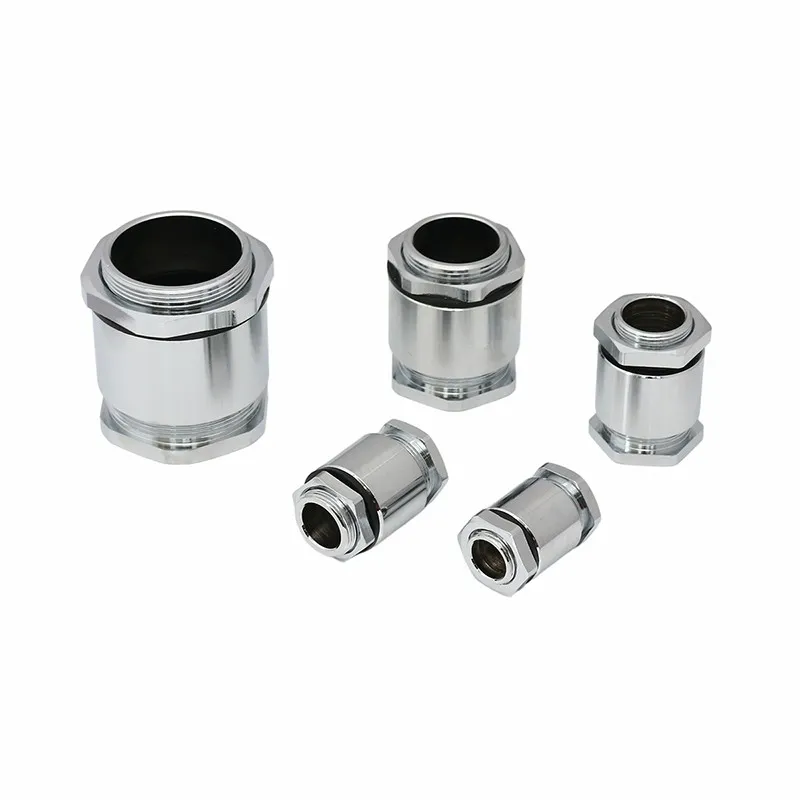

- Select the Right Product: Choose a cable stuffing box specifically designed for high - temperature applications. Consider the temperature range, the type of environment (e.g., industrial, marine), and the specific requirements of your project. For example, if you need a cable stuffing box for a hazardous environment, you may want to consider an Explosion Proof Cable that is designed to prevent the ignition of explosive gases.
- Proper Maintenance: Regular maintenance is essential to ensure the continued performance of cable stuffing boxes. This includes inspecting the boxes for signs of damage, such as cracks, wear, and tear, and replacing any damaged components promptly.
- Thermal Insulation: In some cases, thermal insulation can be used to reduce the temperature inside the cable stuffing box. This can help to protect the materials from excessive heat and extend the lifespan of the box.
Specific Product Examples
We offer a range of cable stuffing boxes suitable for high - temperature environments.
- TJ - Clamping Marine Cable Gland: Our TJ - Clamping Marine Cable Gland is designed for use in marine and other harsh environments. It is made from high - quality materials that can withstand high temperatures and corrosive conditions. The gland provides a reliable seal for cables, preventing the ingress of water, dust, and other contaminants.
- Armored Cable Gland: The Armored Cable Gland is another product that performs well in high - temperature environments. It is designed to provide mechanical protection to armored cables and can withstand high temperatures without losing its integrity.
Conclusion
In conclusion, cable stuffing boxes face significant challenges in high - temperature environments, but with the right material selection, design, installation, and maintenance, they can perform effectively. As a cable stuffing box supplier, we are committed to providing high - quality products that meet the needs of our customers in various applications, including high - temperature environments.
If you are in need of cable stuffing boxes for your high - temperature projects, we invite you to contact us for more information and to discuss your specific requirements. Our team of experts is ready to assist you in selecting the most suitable products and providing technical support.
References
- "Handbook of Polymers for High - Performance Engineering Applications", Wiley - VCH Verlag GmbH & Co. KGaA.
- "Electrical Installation Design Guide", Institution of Engineering and Technology.
- "Fire Safety in Buildings", National Fire Protection Association.