

How do I adjust the flow rate using a Brass PG Thread Reducer?
Nov 11, 2025
Hey there! As a supplier of Brass PG Thread Reducers, I often get asked about how to adjust the flow rate using these nifty little devices. So, I thought I'd put together this blog post to share some insights and tips on the matter.
First off, let's talk a bit about what a Brass PG Thread Reducer is. These reducers are used to connect pipes or tubes of different sizes, specifically in systems where PG threads are involved. They're made of brass, which is a great material because it's durable, corrosion-resistant, and has good thermal conductivity. Whether you're working on a plumbing project, an industrial application, or something else entirely, a Brass PG Thread Reducer can come in really handy.
Now, onto the main question: how do you adjust the flow rate using a Brass PG Thread Reducer? Well, it all boils down to understanding the relationship between the size of the pipes you're connecting and the pressure in the system.
Understanding Flow Rate Basics
Before we dive into the adjustment process, it's important to have a basic understanding of flow rate. Flow rate is the volume of fluid that passes through a given point in a system per unit of time. It's usually measured in liters per minute (L/min) or gallons per minute (GPM). The flow rate in a system is affected by several factors, including the size of the pipes, the pressure of the fluid, and the presence of any restrictions or obstacles in the flow path.
When you use a Brass PG Thread Reducer, you're essentially changing the size of the pipe at a certain point in the system. This change in pipe size can have a significant impact on the flow rate. Generally speaking, when you reduce the size of the pipe, the flow rate will decrease, and when you increase the size of the pipe, the flow rate will increase. However, it's not always that simple, as the pressure in the system also plays a crucial role.
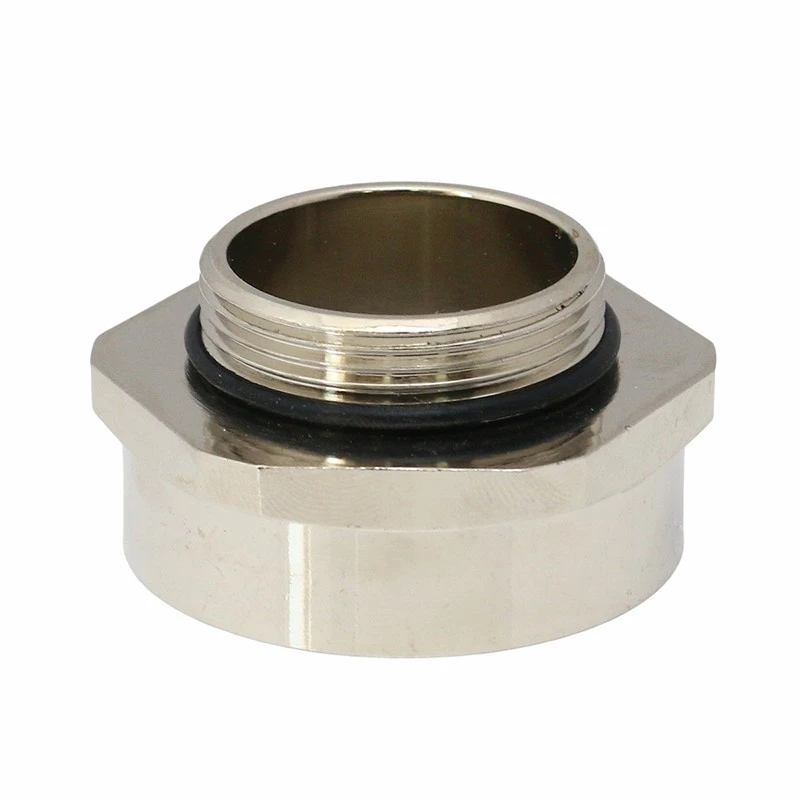
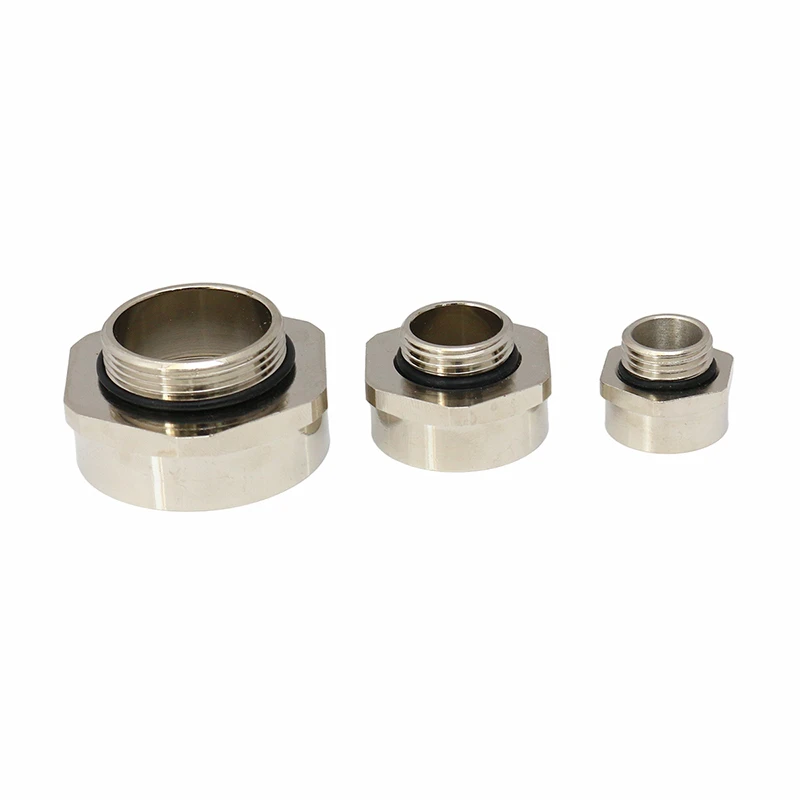
Adjusting Flow Rate with a Brass PG Thread Reducer
So, how do you actually adjust the flow rate using a Brass PG Thread Reducer? Here are the steps you can follow:
Step 1: Determine Your Desired Flow Rate
The first step is to figure out what flow rate you need for your specific application. This will depend on a variety of factors, such as the type of fluid you're working with, the size of the system, and the requirements of the equipment you're using. Once you have a clear idea of your desired flow rate, you can start thinking about how to achieve it.
Step 2: Choose the Right Reducer Size
Based on your desired flow rate, you'll need to select the appropriate size of Brass PG Thread Reducer. Remember, reducing the pipe size will generally decrease the flow rate, while increasing the pipe size will increase it. You can use flow rate calculators or consult with a professional to help you determine the right size for your needs. For example, if you're looking to reduce the flow rate significantly, you might choose a reducer with a larger difference in pipe sizes.
Step 3: Install the Reducer
Once you have the right reducer, it's time to install it in your system. Make sure you follow the proper installation procedures to ensure a secure and leak-free connection. You may need to use tools such as wrenches or pliers to tighten the fittings. It's also a good idea to use thread sealant to prevent any leaks.
Step 4: Monitor and Adjust
After installing the reducer, you'll need to monitor the flow rate in your system. You can use a flow meter to measure the actual flow rate and compare it to your desired flow rate. If the flow rate is too high or too low, you may need to make some adjustments. This could involve changing the size of the reducer, adjusting the pressure in the system, or making other modifications to the flow path.
Factors to Consider
There are a few other factors that you should keep in mind when adjusting the flow rate using a Brass PG Thread Reducer:
- Pressure Drop: When you reduce the pipe size, you'll also experience a pressure drop in the system. This means that the pressure of the fluid will decrease as it passes through the reducer. You need to make sure that the pressure drop is within an acceptable range for your application. If the pressure drop is too large, it could affect the performance of your equipment.
- Fluid Viscosity: The viscosity of the fluid you're working with can also affect the flow rate. More viscous fluids will flow more slowly than less viscous fluids. You may need to take this into account when choosing the size of the reducer and adjusting the flow rate.
- System Design: The overall design of your system can also impact the flow rate. For example, if there are other restrictions or obstacles in the flow path, such as valves or filters, these can affect the performance of the reducer. You may need to consider these factors when making adjustments to the flow rate.
Other Related Products
In addition to Brass PG Thread Reducers, we also offer other related products that can be useful in adjusting flow rates and managing fluid systems. For example, our Brass Enlager Metric Thread products can be used to expand the size of pipes, which can increase the flow rate in certain situations. And our Brass PG To Metric Reducer is great for connecting pipes with different thread types.
Conclusion
Adjusting the flow rate using a Brass PG Thread Reducer can be a bit tricky, but with the right knowledge and tools, it's definitely doable. By understanding the basics of flow rate, choosing the right reducer size, and following the proper installation and adjustment procedures, you can achieve the desired flow rate for your application.
If you have any questions or need help choosing the right Brass PG Thread Reducer for your needs, don't hesitate to reach out. We're here to assist you and ensure that you get the best possible solution for your fluid system. You can check out our Brass PG Thread Reducer products on our website and start the procurement process. We look forward to working with you!
References
- Fluid Mechanics textbooks
- Industry standards and guidelines for pipe fittings and flow rate calculations