

How to avoid mistakes when using cable stuffing boxes?
May 14, 2025
Hey there! As a supplier of cable stuffing boxes, I've seen my fair share of mistakes when it comes to using these nifty little devices. And let me tell you, avoiding these mistakes can save you a whole lot of headaches down the line. So, in this blog post, I'm gonna share some tips on how to steer clear of common blunders when using cable stuffing boxes.
Understanding Your Cable Stuffing Box
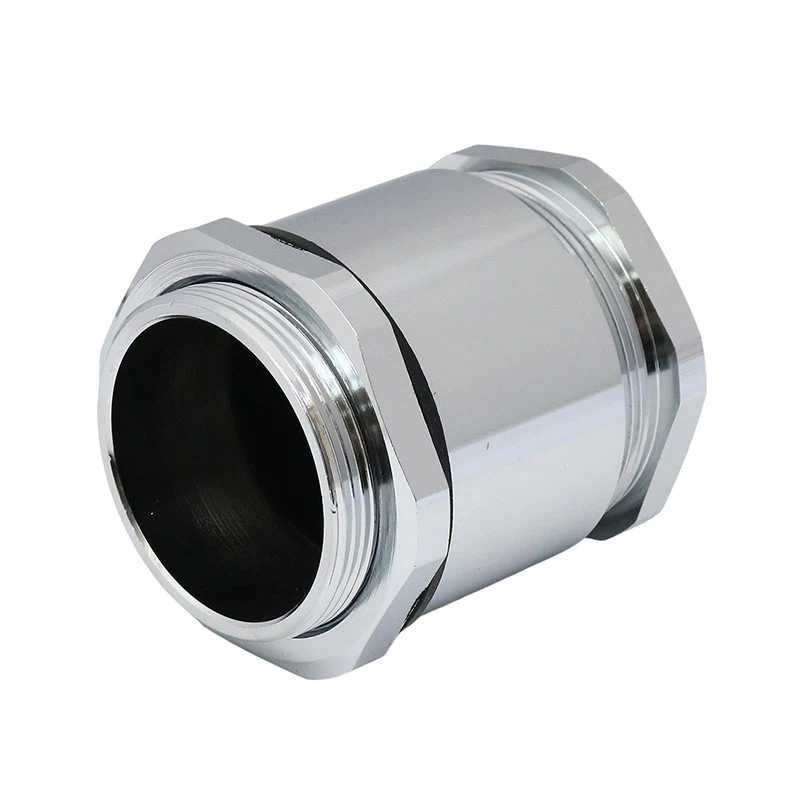
First things first, you gotta know what you're working with. Cable stuffing boxes are designed to provide a secure and watertight seal around cables passing through bulkheads, decks, or partitions. They come in all shapes and sizes, and choosing the right one for your application is crucial.
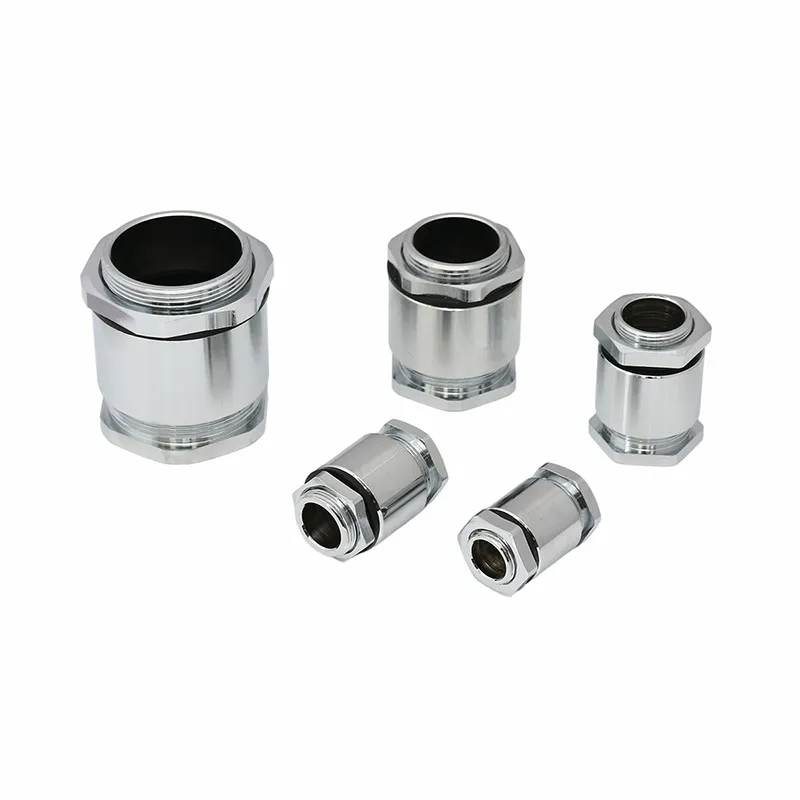
When selecting a cable stuffing box, consider the following factors:
- Cable Size: Make sure the box can accommodate the diameter of the cables you're using. Using a box that's too small can lead to a poor seal, while one that's too large may not provide adequate support.
- Environmental Conditions: Think about where the box will be installed. If it's in a harsh environment, such as a marine or industrial setting, you'll need a box that's made of durable materials and can withstand corrosion.
- Number of Cables: Determine how many cables you need to pass through the box. Some boxes are designed for single cables, while others can handle multiple cables.
Proper Installation
Once you've chosen the right cable stuffing box, it's time to install it correctly. This is where a lot of people make mistakes, so pay close attention.

- Prepare the Surface: Before installing the box, make sure the surface is clean, dry, and free of any debris. This will ensure a good seal between the box and the surface.
- Follow the Instructions: Every cable stuffing box comes with installation instructions. Read them carefully and follow them step by step. This will help you avoid common installation errors.
- Use the Right Tools: Make sure you have the right tools for the job. Using the wrong tools can damage the box or the cables, and may result in a poor seal.
- Seal the Box Properly: After installing the box, make sure to seal it properly. This may involve using a sealant or gaskets to prevent water and dust from entering the box.
Cable Management
Proper cable management is essential for avoiding mistakes when using cable stuffing boxes. Here are some tips to keep in mind:

- Organize Your Cables: Before passing the cables through the box, organize them to prevent tangling and damage. You can use cable ties or clamps to keep the cables in place.
- Avoid Overcrowding: Don't try to stuff too many cables into the box. Overcrowding can lead to a poor seal and may cause the cables to overheat.
- Leave Enough Slack: Make sure to leave enough slack in the cables to allow for movement and expansion. This will prevent the cables from being pulled tight and damaged.
Maintenance and Inspection
Regular maintenance and inspection are key to ensuring the long-term performance of your cable stuffing boxes. Here's what you need to do:
- Check the Seal: Periodically check the seal of the box to make sure it's still watertight. If you notice any signs of damage or wear, replace the seal immediately.
- Inspect the Cables: Check the cables for any signs of damage, such as cuts, abrasions, or fraying. If you find any damaged cables, replace them as soon as possible.
- Clean the Box: Keep the box clean and free of debris. This will help prevent corrosion and ensure a good seal.
Common Mistakes to Avoid
Now that you know the basics of using cable stuffing boxes, let's take a look at some common mistakes to avoid:
- Using the Wrong Size Box: As mentioned earlier, using a box that's too small or too large can lead to a poor seal and other problems. Make sure to choose the right size box for your application.
- Not Sealing the Box Properly: A poor seal can allow water and dust to enter the box, which can damage the cables and cause electrical problems. Make sure to seal the box properly using the recommended sealant or gaskets.
- Overcrowding the Box: Trying to stuff too many cables into the box can lead to a poor seal and may cause the cables to overheat. Make sure to leave enough space for each cable.
- Not Following the Installation Instructions: Every cable stuffing box comes with installation instructions. Not following these instructions can lead to installation errors and other problems. Make sure to read and follow the instructions carefully.
- Neglecting Maintenance and Inspection: Regular maintenance and inspection are essential for ensuring the long-term performance of your cable stuffing boxes. Neglecting these tasks can lead to problems down the line.
Recommended Products
At our company, we offer a wide range of high-quality cable stuffing boxes and related products. Here are some of our top recommendations:
- TJ-Clamping Marine Cable Gland: This gland is designed for use in marine applications and provides a secure and watertight seal around cables.
- Explosion Proof Cable: This cable is designed for use in hazardous environments and provides protection against explosions and fires.
Conclusion
Using cable stuffing boxes correctly is essential for ensuring the safety and reliability of your electrical systems. By following the tips and avoiding the common mistakes outlined in this blog post, you can avoid costly repairs and downtime. If you have any questions or need help choosing the right cable stuffing box for your application, don't hesitate to contact us. We're here to help you make the right choice and ensure the success of your project.
References
- "Cable Stuffing Box Installation Guide," Manufacturer's Manual.
- "Electrical Cable Management Best Practices," Industry Standards Document.