

Is nlyon cable gland waterproof?
Sep 08, 2025
Is Nlyon Cable Gland Waterproof?
As a supplier of Nlyon cable glands, I often encounter questions from customers regarding the waterproof capabilities of our products. In this blog post, I will delve into the details of whether Nlyon cable glands are waterproof, exploring the factors that contribute to their waterproof performance and providing real - world insights.
Understanding Nlyon Cable Glands
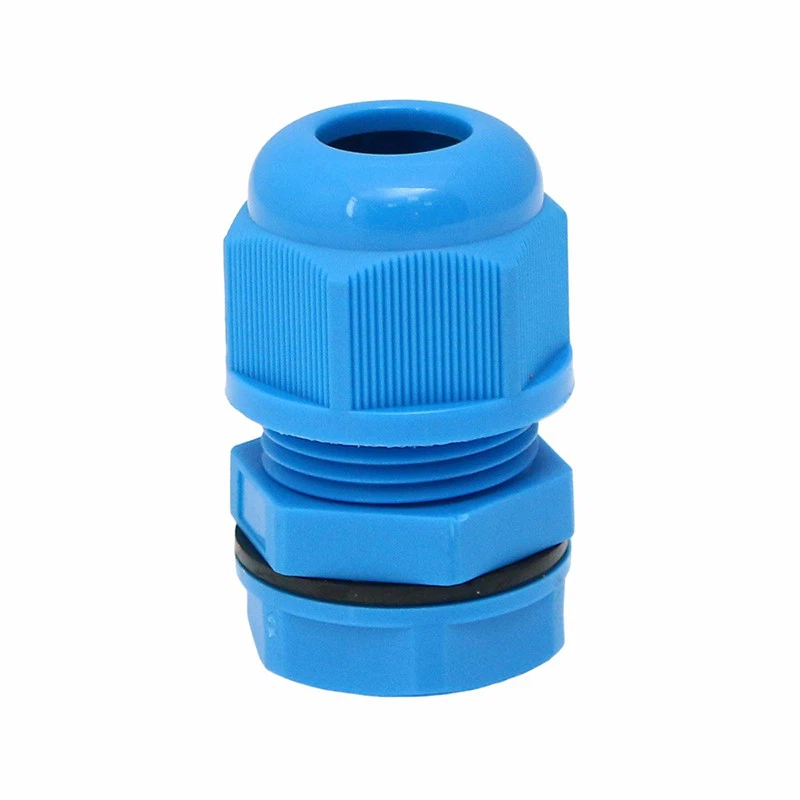
Nlyon cable glands are a type of cable management solution that is widely used in various industries. They are designed to provide a secure and reliable connection between cables and enclosures, protecting the cables from environmental factors such as dust, moisture, and mechanical damage. There are different types of Nlyon cable glands available, including Metric Thread Nylon Gland, PG Thread Nylon Gland, and G Thread Nylon Gland. Each type is suitable for different applications and installation requirements.
The Science Behind Waterproofing
For a cable gland to be considered waterproof, it must prevent the ingress of water under specific conditions. This is achieved through a combination of design features and the use of appropriate materials.
Sealing Mechanisms
One of the key elements in making a cable gland waterproof is its sealing mechanism. Nlyon cable glands typically use elastomeric seals, such as rubber O - rings or gaskets. These seals are placed between the gland body and the cable, as well as between the gland and the enclosure. When the gland is tightened, the elastomeric material is compressed, creating a tight seal that blocks the entry of water.
The quality of the elastomeric seal is crucial. High - quality seals are made from materials that are resistant to water, chemicals, and aging. They can maintain their elasticity over time, ensuring a long - lasting waterproof seal.
Material Selection
The material of the cable gland body also plays an important role in waterproofing. Nlyon, a type of nylon material, is often used in our cable glands. Nylon has several properties that make it suitable for waterproof applications. It is resistant to water absorption, which means that it will not swell or degrade when exposed to moisture. Additionally, nylon is strong and durable, providing a robust housing for the cable and the sealing components.
IP Rating
The Ingress Protection (IP) rating is a standard that indicates the level of protection provided by an electrical enclosure or component against the ingress of solid objects and water. Nlyon cable glands are often rated according to the IP standard. For example, an IP67 rating means that the cable gland is dust - tight and can withstand immersion in water up to a depth of 1 meter for 30 minutes without allowing water ingress. When selecting a cable gland for a waterproof application, it is important to choose one with an appropriate IP rating based on the specific environmental conditions.
Real - World Applications and Testing
To ensure the waterproof performance of Nlyon cable glands, we conduct rigorous testing in both laboratory and real - world settings.
Laboratory Testing
In the laboratory, we subject our cable glands to various water - ingress tests. These tests simulate different environmental conditions, such as rain, splashing water, and submersion. We use specialized equipment to measure the amount of water that enters the gland and the cable enclosure. By analyzing the test results, we can determine the effectiveness of the sealing mechanism and make any necessary improvements to the design or materials.
Real - World Installations
In real - world applications, Nlyon cable glands have been used in a wide range of industries, including marine, outdoor lighting, and industrial automation. In marine applications, for example, cable glands are exposed to saltwater, high humidity, and rough weather conditions. Our Nlyon cable glands have proven to be reliable in these harsh environments, providing long - term waterproof protection for the cables.
Limitations and Considerations
While Nlyon cable glands are designed to be waterproof, there are some limitations and considerations that need to be taken into account.
Installation
Proper installation is crucial for achieving optimal waterproof performance. If the cable gland is not installed correctly, the sealing mechanism may not work effectively. For example, if the gland is not tightened properly, the elastomeric seal may not be compressed enough to create a tight seal. It is important to follow the installation instructions carefully and use the appropriate tools.
Environmental Conditions
The performance of Nlyon cable glands can be affected by extreme environmental conditions. For example, very high or low temperatures can cause the elastomeric seals to lose their elasticity, reducing the effectiveness of the waterproof seal. Additionally, exposure to certain chemicals or pollutants can damage the materials of the cable gland. It is important to consider the environmental conditions when selecting a cable gland and to take appropriate measures to protect the gland if necessary.

Conclusion
In conclusion, Nlyon cable glands are generally waterproof, thanks to their well - designed sealing mechanisms, high - quality materials, and appropriate IP ratings. However, their waterproof performance depends on proper installation and the specific environmental conditions. Whether you are looking for a cable gland for a marine application, outdoor lighting, or industrial automation, our Nlyon cable glands offer reliable waterproof protection.
If you are interested in purchasing Nlyon cable glands for your project, we invite you to contact us for further information and to discuss your specific requirements. Our team of experts is ready to assist you in selecting the right cable gland and providing you with the best possible solutions.
References
- "Electrical Installation Handbook" by Schneider Electric
- "Cable Gland Selection Guide" by industry standards organizations.