

What are the components of a cable stuffing box?
Nov 17, 2025
A cable stuffing box, also known as a cable gland, is a crucial component in electrical and electronic systems. It serves to provide a secure and sealed entry point for cables into enclosures, cabinets, or equipment. This ensures protection against environmental factors such as dust, water, and even hazardous substances in some cases. As a leading cable stuffing box supplier, I am well - versed in the various components that make up these essential devices. In this blog, I will delve into the key components of a cable stuffing box and their functions.
Body
The body of a cable stuffing box is the main housing that holds all the other components together. It is typically made of materials such as brass, stainless steel, plastic, or aluminum. The choice of material depends on the application requirements. For example, in corrosive environments, stainless steel or plastic bodies are preferred as they offer high resistance to rust and chemical attack.
Brass bodies are widely used due to their good mechanical strength and electrical conductivity. They are suitable for general - purpose applications where cost - effectiveness and durability are important. Aluminum bodies are lightweight and also have good corrosion resistance, making them ideal for applications where weight is a concern, such as in aerospace or marine industries. The body is designed with a threaded opening at one end to allow for easy installation onto the enclosure or equipment. It also has a central bore through which the cable passes.
Sealing Elements
Sealing elements are perhaps the most critical components of a cable stuffing box. Their primary function is to prevent the ingress of dust, water, and other contaminants into the enclosure. There are two main types of sealing elements: rubber grommets and O - rings.
Rubber grommets are typically made of materials like neoprene, silicone, or EPDM (ethylene propylene diene monomer). These materials offer excellent flexibility and sealing properties. The grommet is placed inside the body of the cable stuffing box and is compressed around the cable when the gland is tightened. This creates a tight seal that prevents the passage of moisture and dust.
O - rings, on the other hand, are circular seals that are used in conjunction with the body and other components to provide an additional level of sealing. They are usually made of elastomeric materials and are placed in grooves within the body or other parts of the cable stuffing box. O - rings are particularly effective in preventing the leakage of gases and liquids. For more information on cables that work well with these sealing elements, you can check out Explosion Proof Cable.
Locknut
The locknut is a threaded nut that is used to secure the cable stuffing box to the enclosure or equipment. It is tightened onto the threaded part of the body, which in turn compresses the sealing elements around the cable. The locknut ensures that the cable stuffing box remains firmly in place and does not loosen due to vibration or other external forces.
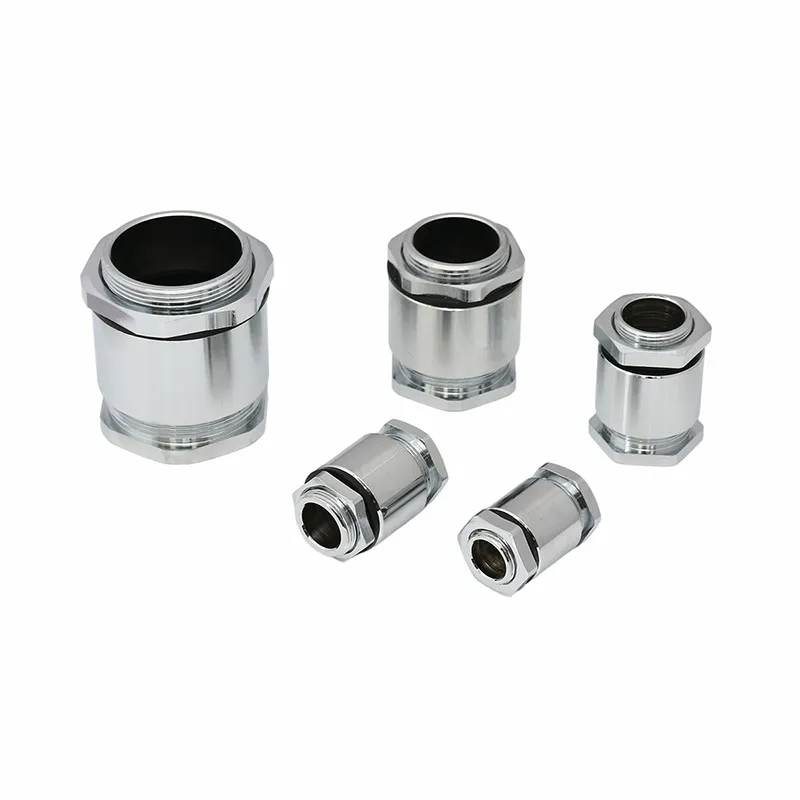

Locknuts are often made of the same material as the body of the cable stuffing box for compatibility and durability. They are designed with a hexagonal shape, which allows for easy tightening using a wrench. Some locknuts also have a serrated or knurled surface to provide better grip during installation.
Clamping Components
Clamping components are used to secure the cable within the cable stuffing box and prevent it from being pulled out. There are different types of clamping components available, depending on the type of cable and the application.
One common type is the TJ - Clamping mechanism. The TJ - Clamping Marine Cable Gland is a prime example of a cable stuffing box that uses this mechanism. The TJ - Clamping system consists of a set of jaws or teeth that grip the cable tightly when the gland is tightened. This type of clamping is very effective in preventing cable movement, especially in applications where there is a lot of vibration or mechanical stress.
Another type of clamping component is the armored cable gland. The Armored Cable Gland is designed specifically for use with armored cables. It has a special clamping arrangement that grips the armor of the cable, providing additional protection and stability. This is important in applications where the cable is exposed to harsh environments or where there is a risk of the armor being damaged.
Threaded Insert (Optional)
In some cases, a threaded insert may be used in the cable stuffing box. This insert is typically made of brass or stainless steel and is installed inside the body of the gland. The threaded insert provides a stronger and more durable threaded surface for the locknut to engage with. It is especially useful when the body of the cable stuffing box is made of a softer material, such as plastic.
The threaded insert helps to prevent the threads in the body from stripping or becoming damaged during installation or tightening. It also ensures a more secure connection between the locknut and the body, which is essential for maintaining the integrity of the seal.
Gasket (Optional)
A gasket is an additional sealing component that can be used in some cable stuffing boxes. It is usually made of a soft, compressible material such as rubber or cork. The gasket is placed between the body of the cable stuffing box and the enclosure or equipment.
When the cable stuffing box is installed and tightened, the gasket is compressed, creating a seal that prevents the ingress of dust and moisture around the perimeter of the gland. Gaskets are particularly useful in applications where a high level of protection against environmental factors is required.
Installation and Maintenance
Proper installation of a cable stuffing box is crucial to ensure its optimal performance. When installing a cable stuffing box, it is important to follow the manufacturer's instructions carefully. This includes selecting the correct size of the gland for the cable, ensuring that all components are clean and free from debris, and tightening the locknut to the recommended torque.
Regular maintenance of cable stuffing boxes is also essential. This includes inspecting the sealing elements for signs of wear or damage, checking the tightness of the locknut, and cleaning the gland if necessary. If any components are found to be damaged or worn, they should be replaced immediately to maintain the effectiveness of the seal.
Conclusion
In conclusion, a cable stuffing box is a complex device made up of several key components. Each component plays a vital role in ensuring the proper functioning of the gland, including providing a secure seal, preventing cable movement, and protecting against environmental factors. As a cable stuffing box supplier, I understand the importance of using high - quality components and providing reliable products.
If you are in need of cable stuffing boxes for your electrical or electronic systems, I encourage you to contact me for more information and to discuss your specific requirements. Whether you need a standard cable stuffing box or a customized solution, I am here to provide you with the best products and service.
References
- Electrical Installation Handbook, Schneider Electric
- Cable Gland Selection Guide, Parker Hannifin
- Handbook of Seal Technology, CRC Press