

What are the maintenance procedures for cable stuffing boxes?
Sep 10, 2025
Hey there! As a cable stuffing box supplier, I often get asked about the maintenance procedures for these crucial components. In this blog, I'll break down everything you need to know to keep your cable stuffing boxes in top - notch condition.
Why Maintenance Matters
First off, let's talk about why maintenance is so important. Cable stuffing boxes are used to seal cables passing through bulkheads, decks, or other partitions. They prevent the passage of fire, gas, and water, which are super important for safety in various industries like marine, oil and gas, and power generation. If these boxes aren't properly maintained, they can fail, leading to potential disasters such as fires, floods, or gas leaks. So, regular maintenance is not just a good idea; it's a must - do.
Pre - Maintenance Checks
Before you start any maintenance work on a cable stuffing box, there are a few checks you should do.
- Visual Inspection: Take a good look at the box. Check for any signs of physical damage like cracks, dents, or corrosion. If you see any of these issues, it could mean that the box is compromised and might not be able to perform its sealing function effectively.
- Seal Integrity: Examine the seals around the cables. Are they intact? Do they show any signs of wear and tear? A damaged seal can allow unwanted substances to pass through the box. You can also check for any gaps between the seal and the cable or the box itself.
- Cable Condition: Inspect the cables passing through the box. Look for fraying, damage, or any signs of overheating. Faulty cables can put extra stress on the stuffing box and may cause it to fail prematurely.
Cleaning the Cable Stuffing Box
Cleaning is a fundamental part of maintenance. Over time, dust, dirt, and other debris can accumulate inside the cable stuffing box, which can affect its performance.
- Remove Loose Debris: Use a soft - bristle brush or compressed air to remove any loose dirt or dust from the box. Be careful not to damage the seals or the cables while doing this.
- Clean the Seals: You can use a mild detergent and a clean cloth to gently clean the seals. Make sure to rinse them thoroughly and dry them completely before reinstalling. Avoid using harsh chemicals as they can damage the seals.
- Internal Surfaces: Wipe down the internal surfaces of the box with a clean, dry cloth. This helps to remove any remaining dirt and ensures a clean environment for the cables and seals.
Seal Replacement
Seals are one of the most critical parts of a cable stuffing box, and they have a limited lifespan.
- Signs of Seal Failure: If you notice that the seals are cracked, hardened, or have lost their elasticity, it's time to replace them. Also, if there are signs of leakage around the seals, that's a clear indication that they need to be changed.
- Choosing the Right Seal: Make sure to select the correct type of seal for your cable stuffing box. Different boxes may require different seal materials and sizes. You can refer to the manufacturer's specifications or consult with us as your supplier.
- Installation: When installing new seals, follow the manufacturer's instructions carefully. Ensure that the seals are properly seated and that there are no gaps or wrinkles.
Cable Inspection and Adjustment
The cables passing through the stuffing box also need attention during maintenance.
- Tension Check: Check the tension of the cables. Over - tightened cables can put stress on the seals and the box, while loose cables may not be properly sealed. Adjust the tension as needed.
- Cable Positioning: Make sure the cables are properly positioned within the box. They should be centered and not rubbing against the edges of the box or other cables.
- Cable Support: If necessary, add or adjust cable supports to prevent excessive movement of the cables. This helps to maintain the integrity of the seals and the box.
Testing the Cable Stuffing Box
After performing all the maintenance procedures, it's important to test the cable stuffing box to ensure that it's working correctly.
- Pressure Testing: Depending on the application, you may need to perform a pressure test. This involves applying a certain amount of pressure to the box and checking for any leaks. If there are leaks, you'll need to go back and re - check the seals and the installation.
- Functionality Test: Check that the box is still able to perform its intended function, such as preventing the passage of fire, gas, or water. You can refer to relevant industry standards for the specific testing procedures.
Special Considerations for Different Environments
Cable stuffing boxes may be used in different environments, and each environment may require special maintenance considerations.
- Marine Environments: In marine applications, the boxes are exposed to saltwater, which can cause corrosion. Regularly clean the boxes with fresh water and apply a corrosion - resistant coating if necessary. Also, check for any signs of water ingress due to the harsh marine conditions.
- Explosion - Proof Environments: For Explosion Proof Cable applications, the boxes must be maintained to meet strict safety standards. Ensure that all components are properly installed and that there are no signs of damage that could compromise the explosion - proof properties.
- Industrial Environments: In industrial settings, the boxes may be exposed to chemicals, dust, and high temperatures. Use appropriate cleaning agents and protective coatings to prevent damage from these factors.
Using the Right Tools and Equipment
Using the correct tools and equipment is essential for proper maintenance.
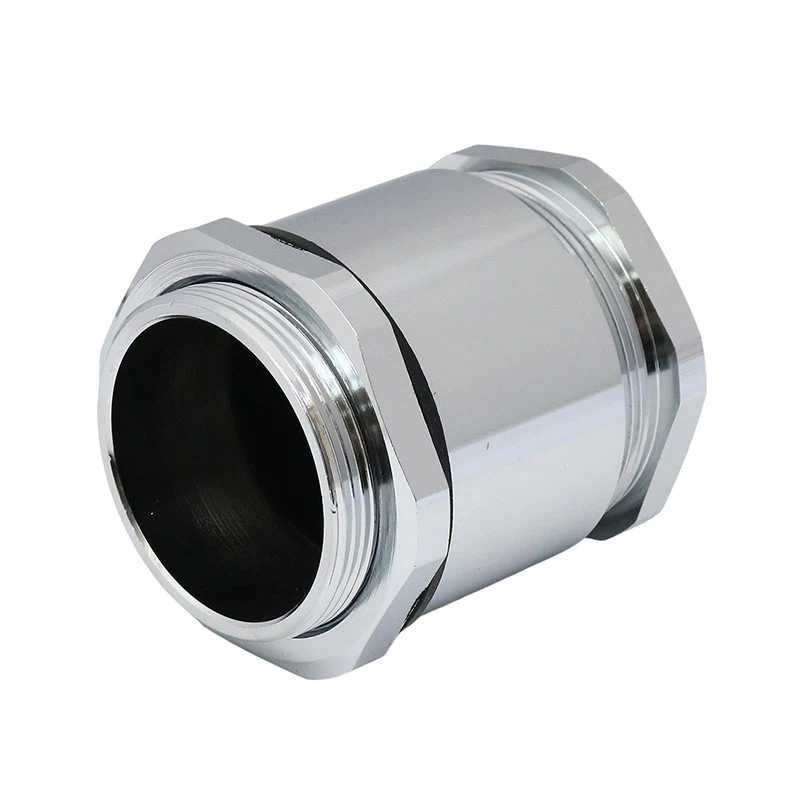

- Maintenance Tools: You'll need basic tools such as screwdrivers, wrenches, and pliers for disassembly and reassembly. Make sure these tools are in good condition and the right size for the job.
- Testing Equipment: Depending on the type of testing required, you may need pressure gauges, leak detectors, or other specialized equipment. Invest in high - quality testing equipment to ensure accurate results.
Training and Documentation
Proper training is crucial for anyone performing maintenance on cable stuffing boxes.
- Training: Ensure that your maintenance personnel are trained on the correct procedures for maintaining cable stuffing boxes. This includes proper cleaning, seal replacement, and testing techniques.
- Documentation: Keep detailed records of all maintenance activities, including the date of maintenance, the work performed, and any issues found. This documentation can be useful for future reference and for compliance purposes.
Conclusion
Maintaining cable stuffing boxes is a vital task that can't be overlooked. By following these maintenance procedures, you can ensure the safety and reliability of your cable systems. Whether you're using TJ - Clamping Marine Cable Gland or Armored Cable Gland, proper maintenance is key.
If you have any questions about cable stuffing box maintenance or if you're looking to purchase high - quality cable stuffing boxes, don't hesitate to get in touch with us. We're here to help you keep your systems running smoothly and safely.
References
- Industry standards for cable stuffing box maintenance
- Manufacturer's manuals for cable stuffing boxes and related components