

What is the chemical resistance of nlyon cable gland?
Dec 02, 2025
Hey there! As a supplier of nlyon cable glands, I often get asked about the chemical resistance of these nifty little components. So, let's dig into what makes nlyon cable glands stand up to various chemicals and why it matters.
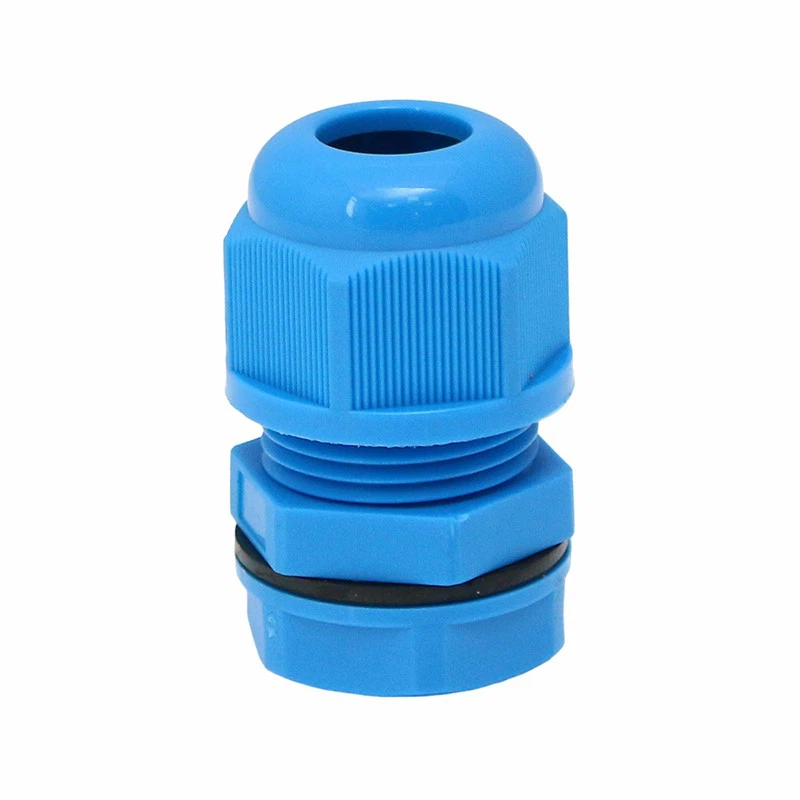
First off, what the heck is a cable gland? Well, it's a device used to secure and seal the end of a cable where it enters an electrical enclosure, junction box, or other equipment. Think of it as a gatekeeper that keeps the cable in place and protects it from the outside environment. And when it comes to nlyon cable glands, they're made from a type of nylon material that gives them some pretty impressive chemical resistance properties.
Nylon is a synthetic polymer that's known for its strength, durability, and resistance to wear and tear. But it's also got some great chemical resistance characteristics that make it a top choice for cable glands in a variety of industries. One of the key factors in nylon's chemical resistance is its molecular structure. The long chains of polymer molecules in nylon are held together by strong chemical bonds, which make it difficult for chemicals to break them down.
So, what kind of chemicals can nlyon cable glands handle? Well, they're generally resistant to a wide range of common chemicals, including:
- Acids: Nylon can withstand exposure to many weak acids, such as acetic acid (found in vinegar) and citric acid (found in citrus fruits). However, it's important to note that stronger acids, like sulfuric acid or hydrochloric acid, can cause damage to nylon over time.
- Bases: Nylon is also resistant to many weak bases, such as sodium hydroxide (lye) and potassium hydroxide. But like with acids, stronger bases can be more corrosive and may require special consideration.
- Oils and Greases: Nylon is relatively resistant to oils and greases, which makes it a good choice for applications where cables may come into contact with lubricants or hydraulic fluids.
- Solvents: Some solvents, like ethanol and acetone, can have a limited effect on nylon. However, more aggressive solvents, such as benzene or toluene, can cause swelling or even dissolve nylon in some cases.
It's important to remember that the chemical resistance of nlyon cable glands can vary depending on the specific type of nylon used, the concentration and duration of chemical exposure, and the temperature and environmental conditions. So, before using nlyon cable glands in a chemical-rich environment, it's always a good idea to consult the manufacturer's specifications or conduct some tests to ensure they'll perform as expected.
Now, let's take a look at some of the different types of nlyon cable glands we offer and how their chemical resistance might apply in different situations.
PG Thread Nylon Gland
The PG Thread Nylon Gland is a popular choice for many industrial applications. The PG thread is a metric thread standard commonly used in Europe, and these glands are designed to provide a secure and watertight seal for cables. Thanks to the chemical resistance of nylon, they can be used in environments where there may be exposure to mild chemicals, such as in food processing plants or pharmaceutical facilities.
Metric Thread Nylon Gland
Our Metric Thread Nylon Gland is another great option. Metric threads are widely used around the world, and these glands offer a reliable way to protect cables from the elements and chemicals. They're suitable for a variety of applications, from electrical installations in factories to outdoor lighting systems. The chemical resistance of nylon helps ensure that these glands can withstand the rigors of different environments without deteriorating.
NPT Thread Nylon Gland
The NPT Thread Nylon Gland is designed for use in applications where a tapered thread is required, such as in plumbing or gas systems. NPT stands for National Pipe Taper, and these glands provide a tight seal to prevent leaks. The chemical resistance of nylon makes them a good choice for applications where there may be exposure to water, mild chemicals, or even some types of gases.
So, why does the chemical resistance of nlyon cable glands matter? Well, for starters, it helps ensure the longevity and reliability of your electrical systems. When cables are properly protected by chemical-resistant cable glands, they're less likely to be damaged by corrosive substances, which can lead to short circuits, electrical failures, or even safety hazards.
In addition, using nlyon cable glands can save you money in the long run. By choosing a cable gland with good chemical resistance, you can avoid the need for frequent replacements due to chemical damage. This can reduce maintenance costs and downtime, which is always a plus for any business.
If you're in the market for nlyon cable glands and want to learn more about their chemical resistance or how they can meet your specific needs, don't hesitate to reach out. We're here to help you find the right solution for your application and can provide you with all the information you need to make an informed decision. Whether you're working on a small DIY project or a large industrial installation, we've got the expertise and products to get the job done right.
So, if you're interested in purchasing nlyon cable glands or have any questions about their chemical resistance, just contact us. We'd love to have a chat and see how we can help you with your cable gland needs. Let's work together to ensure your electrical systems are protected and running smoothly.

References
- "Nylon: Properties and Applications" - Polymer Science Handbook
- "Chemical Resistance of Engineering Plastics" - Industrial Materials Journal