

What is the electrical conductivity of a Brass Dome Plug PG Thread?
Jan 14, 2026
Hey there! As a supplier of Brass Dome Plug PG Thread, I often get asked about the electrical conductivity of these nifty little components. So, I thought I'd take a deep dive into this topic and share some insights with you all.
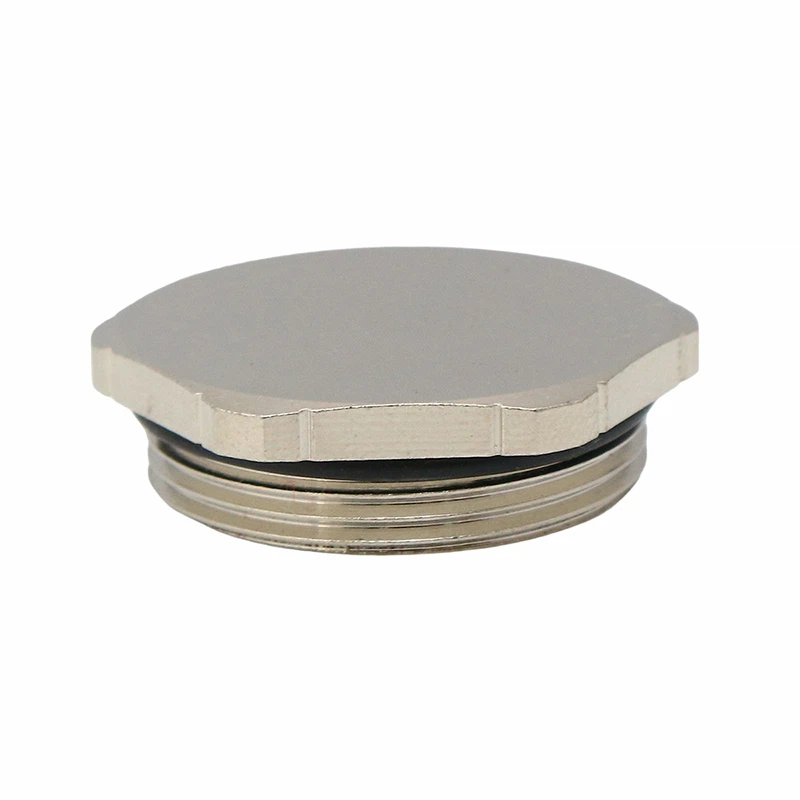
First off, let's talk a bit about what Brass Dome Plug PG Thread is. These plugs are used in a variety of electrical and industrial applications. The PG thread is a specific type of thread standard, which is widely used in cable glands and related products. You can check out more about Brass Dome Plug PG Thread on our website. There are also other types like Brass Dome Plug G Thread and Brass Dome Plug Metric Thread, but today we're focusing on the PG thread ones.
Now, brass is an alloy made primarily of copper and zinc. The electrical conductivity of a material is a measure of how easily an electric current can pass through it. Copper is known for its excellent electrical conductivity. It's one of the most commonly used metals in electrical wiring because it allows electrons to flow freely. Zinc, on the other hand, has a lower electrical conductivity compared to copper. When these two metals are combined to form brass, the electrical conductivity of the resulting alloy depends on the ratio of copper to zinc.
In general, the electrical conductivity of brass is lower than that of pure copper. But it's still pretty good, especially when compared to many other metals and alloys. The exact conductivity of a Brass Dome Plug PG Thread can vary depending on the specific composition of the brass used in its manufacturing.
Most brass alloys used in industrial applications have a copper content ranging from about 55% to 95%. The higher the copper content, the higher the electrical conductivity of the brass. For example, a brass alloy with 90% copper will have a higher conductivity than one with 60% copper.
The manufacturing process also plays a role in determining the electrical conductivity. If the brass is properly annealed (a heat treatment process), it can improve the crystal structure of the alloy, which in turn can enhance its electrical conductivity. On the other hand, impurities or defects in the brass can reduce its conductivity.
In practical applications, the electrical conductivity of a Brass Dome Plug PG Thread is important for several reasons. In electrical systems, these plugs may be used to connect different components or to seal off electrical enclosures. If the plug has poor electrical conductivity, it can cause issues such as voltage drops, increased resistance, and even overheating. These problems can lead to reduced efficiency of the electrical system and may even pose a safety hazard.
Let's say you're using a Brass Dome Plug PG Thread in a low - voltage DC circuit. A small reduction in conductivity might not have a huge impact on the overall performance of the circuit. But in a high - voltage or high - current application, like in a power distribution system, even a slight decrease in conductivity can result in significant power losses.
To measure the electrical conductivity of a Brass Dome Plug PG Thread, we typically use a conductivity meter. This device works by passing a known electric current through the material and measuring the resulting voltage. Using Ohm's law (V = IR, where V is voltage, I is current, and R is resistance), we can then calculate the resistance of the material. Since conductivity is the reciprocal of resistance, we can determine the conductivity from the measured resistance.
When it comes to our Brass Dome Plug PG Thread products, we take great care to ensure high - quality manufacturing. We use high - grade brass alloys with a carefully controlled copper - to - zinc ratio. Our manufacturing process includes strict quality control measures to minimize impurities and ensure proper annealing. This way, we can guarantee that our plugs have good electrical conductivity and reliable performance.
If you're in the market for Brass Dome Plug PG Thread products, whether for a small DIY project or a large industrial application, we're here to help. Our plugs are designed to meet the highest industry standards and offer excellent electrical conductivity. We can provide you with detailed specifications and technical support to ensure you get the right product for your needs.
So, if you're interested in learning more or want to start a procurement discussion, don't hesitate to reach out. We're always happy to chat with potential customers and find the best solutions for your requirements.
References:

- "Handbook of Electrical and Electronic Conductivity Data"
- "Principles of Electrical Engineering"