

What is the fire - resistance rating of nlyon cable gland?
Dec 03, 2025
As a supplier of Nlyon cable glands, I often get asked about the fire - resistance rating of these essential components. In this blog, we'll delve deep into what the fire - resistance rating of Nlyon cable glands means, why it's important, and how it impacts various applications.
Understanding Fire - Resistance Rating
The fire - resistance rating of a cable gland is a measure of its ability to withstand fire and prevent the spread of flames, heat, and smoke. It is typically expressed in terms of time, such as 30 minutes, 60 minutes, or 120 minutes. A higher fire - resistance rating indicates that the cable gland can maintain its integrity and functionality for a longer period under fire conditions.
For Nlyon cable glands, the fire - resistance rating is determined through a series of standardized tests. These tests simulate real - world fire scenarios and evaluate how the gland performs in terms of flame penetration, heat transfer, and structural integrity. During the tests, the cable gland is exposed to high - temperature flames for a specified duration, and its performance is closely monitored.
Importance of Fire - Resistance Rating
The fire - resistance rating of Nlyon cable glands is crucial for several reasons. Firstly, in buildings and industrial facilities, it helps to contain fires and prevent them from spreading rapidly. When a fire breaks out, cable glands with a high fire - resistance rating can act as barriers, stopping flames and smoke from traveling through cable penetrations. This can buy valuable time for evacuation and fire - fighting efforts, potentially saving lives and reducing property damage.
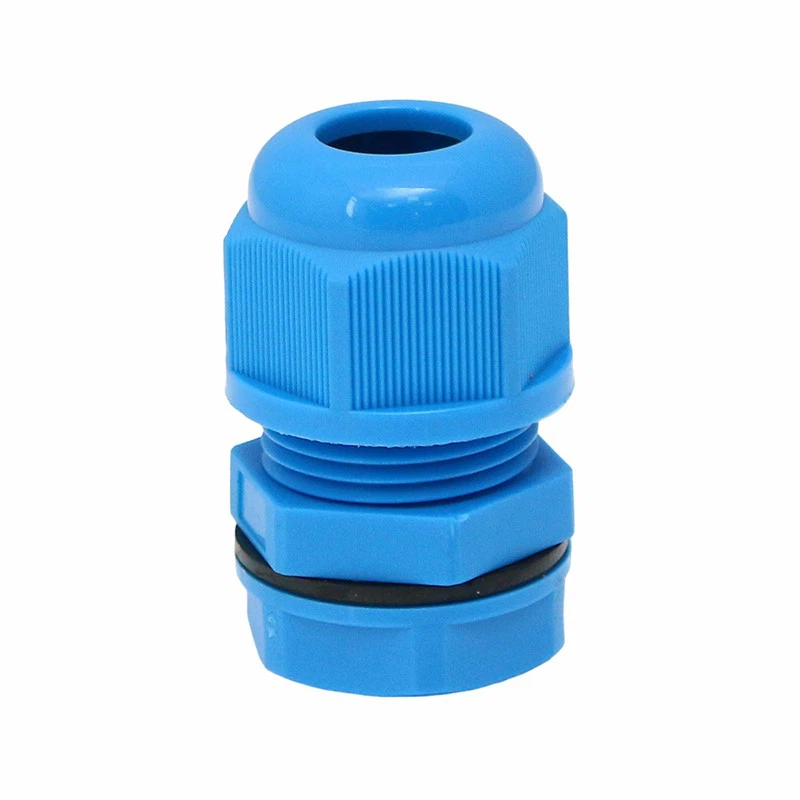

Secondly, in electrical systems, fire - resistant cable glands protect cables from the effects of fire. Cables are often a critical part of electrical infrastructure, and damage to them during a fire can lead to power outages, short - circuits, and other electrical hazards. By using Nlyon cable glands with an appropriate fire - resistance rating, the integrity of the electrical system can be maintained for a longer period, ensuring the safety of equipment and personnel.
Factors Affecting Fire - Resistance Rating
Several factors can affect the fire - resistance rating of Nlyon cable glands. One of the most important factors is the material used in the gland's construction. Nlyon, which is a type of nylon material, has inherent fire - resistant properties to some extent. However, the specific formulation of the nylon and any additional fire - retardant additives can significantly impact the gland's fire - resistance performance.
The design of the cable gland also plays a role. A well - designed gland with a tight seal and proper insulation can provide better fire - resistance. For example, glands with multiple sealing elements can prevent the passage of flames and smoke more effectively. Additionally, the installation method is crucial. If the cable gland is not installed correctly, it may compromise its fire - resistance rating.
Applications and Suitable Fire - Resistance Ratings
Different applications require different fire - resistance ratings for Nlyon cable glands. In residential buildings, a 30 - minute fire - resistance rating may be sufficient for most cable penetrations. This can help to prevent the spread of fire between rooms and floors. For commercial buildings, such as offices and shopping malls, a 60 - minute or even 120 - minute fire - resistance rating may be required, especially in areas with high - occupancy or critical electrical systems.
In industrial settings, such as power plants and chemical factories, where the risk of fire is higher, cable glands with a high fire - resistance rating are essential. These glands need to be able to withstand extreme fire conditions and protect the electrical and control systems that are vital for the operation of the facility.
Types of Nlyon Cable Glands and Their Fire - Resistance
We offer a variety of Nlyon cable glands, each with its own characteristics and fire - resistance capabilities.
- NPT Thread Nylon Gland: The NPT Thread Nylon Gland is designed with NPT threads, which are commonly used in North American applications. These glands are available in different sizes and can be selected based on the specific requirements of the installation. They offer a good balance of fire - resistance and mechanical strength, making them suitable for a wide range of applications.
- PG Thread Nylon Gland: The PG Thread Nylon Gland is another popular option. PG threads are widely used in European and international applications. These glands are known for their reliable sealing performance and can provide adequate fire - resistance for many industrial and commercial settings.
- Metric Thread Nylon Gland: The Metric Thread Nylon Gland is designed with metric threads, which are commonly used in many countries around the world. These glands are available in a variety of metric sizes and can be customized to meet specific fire - resistance requirements.
How to Choose the Right Fire - Resistance Rating
When choosing Nlyon cable glands, it's important to consider the specific fire - safety requirements of the application. Here are some steps to help you make the right choice:
- Understand the regulations: Familiarize yourself with the local fire - safety regulations and building codes. These regulations often specify the minimum fire - resistance rating required for cable glands in different types of buildings and applications.
- Assess the risk: Evaluate the fire risk in the area where the cable glands will be installed. Consider factors such as the presence of flammable materials, the type of electrical equipment, and the occupancy of the building.
- Consult with experts: If you're unsure about the appropriate fire - resistance rating, consult with fire - safety experts or electrical engineers. They can provide valuable advice based on their experience and knowledge.
Conclusion
The fire - resistance rating of Nlyon cable glands is a critical factor in ensuring the safety and reliability of electrical systems and buildings. By understanding the importance of this rating, the factors that affect it, and how to choose the right rating for your application, you can make informed decisions when purchasing Nlyon cable glands.
As a trusted supplier of Nlyon cable glands, we are committed to providing high - quality products with excellent fire - resistance performance. Our range of NPT Thread Nylon Gland, PG Thread Nylon Gland, and Metric Thread Nylon Gland can meet the diverse needs of our customers.
If you are interested in learning more about our Nlyon cable glands or would like to discuss your specific requirements, please feel free to reach out to us. We are ready to assist you in finding the best cable gland solutions for your fire - safety needs.
References
- International Electrotechnical Commission (IEC) standards on fire - resistance testing of electrical components.
- National Fire Protection Association (NFPA) codes and standards related to fire - safety in buildings and industrial facilities.