

What is the heat - dissipation performance of explosion proof cable?
Jul 08, 2025
Hey there! As a supplier of Explosion Proof Cable, I often get asked about the heat - dissipation performance of these cables. It's a super important topic, especially when it comes to ensuring the safety and efficiency of electrical systems in hazardous environments.
First off, let's understand what explosion - proof cables are. Explosion Proof Cable, as you can check out Explosion Proof Cable, is designed to prevent the ignition of explosive gases, vapors, or dust in areas where these are present. These cables are used in industries like oil and gas, mining, chemical plants, and more.
Now, heat dissipation is crucial for these cables. When electricity flows through a cable, it generates heat due to the resistance in the conductors. If this heat isn't dissipated properly, it can lead to a whole bunch of problems. The temperature of the cable can rise significantly, which might cause the insulation to degrade over time. A degraded insulation can result in short - circuits, electrical failures, and in the worst - case scenario, even trigger an explosion in a hazardous environment.
So, how do explosion - proof cables manage heat dissipation? Well, one of the key factors is the cable's construction. Most explosion - proof cables have a well - designed outer sheath that plays a vital role in heat transfer. The outer sheath is made of materials that are good conductors of heat. For example, some cables use a special type of thermoplastic or rubber that can efficiently transfer the heat from the inner conductors to the surrounding environment.
Another aspect is the conductor material. Copper is a popular choice for explosion - proof cables because it has excellent electrical conductivity and relatively good heat - dissipation properties. When electricity passes through copper conductors, less heat is generated compared to some other materials, and what heat is generated can be more easily transferred away.
The design of the cable's insulation also affects heat dissipation. High - quality insulation materials are used in explosion - proof cables. These materials not only provide electrical insulation but also help in heat transfer. They are engineered to allow the heat to move from the conductors towards the outer sheath without causing any damage to the insulation itself.
Let's talk about the impact of the environment on heat dissipation. In a hazardous environment, there might be various factors that can either help or hinder the heat - dissipation process. For instance, if the cable is installed in an area with good air circulation, it will be easier for the heat to dissipate. The moving air can carry away the heat from the cable surface. On the other hand, if the cable is installed in a confined space or surrounded by other heat - generating equipment, the heat dissipation can be more challenging.
In some cases, additional cooling mechanisms might be required. For example, in industrial settings where the cables are carrying high - power loads, fans or cooling ducts can be installed near the cables to enhance heat dissipation. This ensures that the cable temperature stays within a safe range.
Now, let's compare explosion - proof cables with regular cables in terms of heat dissipation. Regular cables are usually designed for normal, non - hazardous environments. They might not have the same level of heat - dissipation features as explosion - proof cables. Explosion - proof cables are built to meet strict safety standards, and heat dissipation is an integral part of these standards.
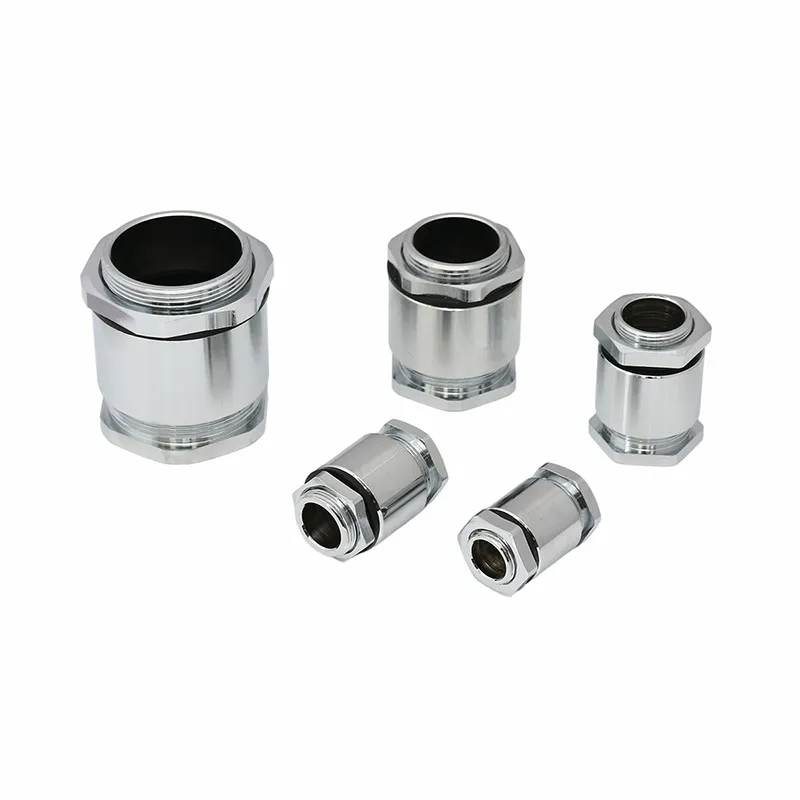
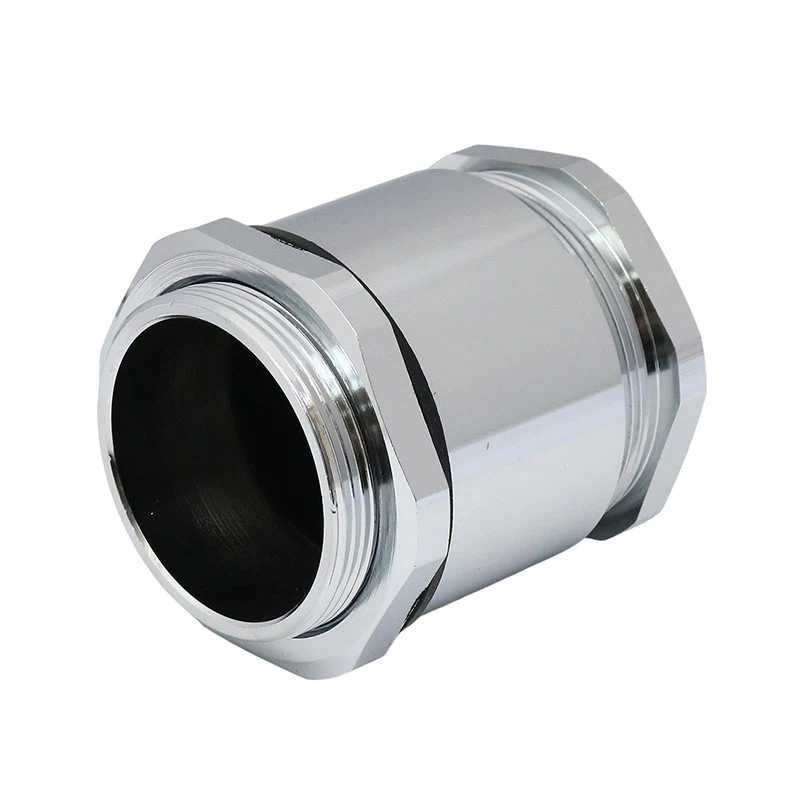
When it comes to the connection points of explosion - proof cables, proper installation is crucial for heat dissipation. Loose connections can increase resistance, which in turn generates more heat. So, it's essential to ensure that all connections are tight and secure. Also, using high - quality cable glands like the TJ - Clamping Marine Cable Gland can help in maintaining a good seal and proper heat transfer at the connection points.
We also need to consider the long - term heat - dissipation performance of explosion - proof cables. Over time, the cable materials can age, and this can affect their heat - dissipation capabilities. Regular maintenance and inspection of the cables are necessary to ensure that the heat - dissipation features are still working effectively. This includes checking the outer sheath for any signs of damage, the insulation for degradation, and the conductors for corrosion.
So, why should you care about the heat - dissipation performance of explosion - proof cables? Well, it all boils down to safety and reliability. In a hazardous environment, a cable with poor heat - dissipation performance can pose a serious risk. It can lead to equipment failures, production downtime, and most importantly, endanger the lives of workers.
If you're in an industry that requires explosion - proof cables, it's crucial to choose a cable that has excellent heat - dissipation properties. As a supplier, I've seen firsthand the difference that a well - designed explosion - proof cable can make. It can ensure the smooth operation of your electrical systems and keep your workplace safe.
If you're interested in learning more about explosion - proof cables and their heat - dissipation performance or if you're looking to make a purchase, I'd love to have a chat with you. You can reach out to start a discussion about your specific requirements. Whether you need cables for a small project or a large - scale industrial application, we can provide you with the right solutions.
In conclusion, the heat - dissipation performance of explosion - proof cables is a complex but critical aspect. It involves the cable's construction, the materials used, the environment, and proper installation and maintenance. By understanding these factors, you can make an informed decision when choosing explosion - proof cables for your needs.
References:
- Electrical Cable Handbook: Covers general knowledge about cable construction and performance.
- Industry standards for explosion - proof equipment: Provide guidelines on the safety and performance requirements of explosion - proof cables.