

What is the impact of dust on a metal stuffing gland?
Aug 15, 2025
Hey there! I'm a supplier of metal stuffing glands, and today I wanna talk about something that might not cross your mind often but can have a big impact on these little but crucial components: dust.
Let's start with what a metal stuffing gland is. It's a device used to seal cables or pipes where they pass through a wall or a panel. It keeps things like dust, dirt, and moisture out of an enclosure, and it also helps prevent the escape of any gases or fluids from inside. They're used in a ton of different industries, from electrical to plumbing, and in all sorts of environments, from clean factory floors to dusty construction sites.
So, what happens when dust gets involved? Well, dust isn't just a nuisance; it can cause some real problems for metal stuffing glands.
1. Wear and Tear
One of the most immediate impacts of dust on a metal stuffing gland is wear and tear. Dust particles are often abrasive. When they get into the gland, they can act like tiny sandpaper, rubbing against the moving parts of the gland. For example, the gland's packing, which is responsible for creating a tight seal around the cable or pipe, can be damaged. As the dust particles grind against the packing material, it can start to break down over time. This leads to a loss of the gland's sealing ability, which means that dust, dirt, and moisture can start to seep into the enclosure.
The nuts and bolts that hold the gland together can also be affected. The dust can get into the threads, causing them to wear down. This can make it difficult to tighten the gland properly, and in some cases, the threads might even strip. When that happens, the gland becomes less effective at holding everything in place, and it might need to be replaced.
2. Corrosion
Dust isn't always just dry particles. Sometimes, it can carry moisture or chemicals with it. When these substances come into contact with the metal parts of the stuffing gland, they can cause corrosion. For instance, if the dust contains salt, which is common in coastal areas or industrial environments where salt is used, it can react with the metal to form rust.
Corrosion weakens the metal, making it more likely to break or fail. The gland's housing, which protects the internal components, can be especially vulnerable. Once the housing is corroded, it can't provide the same level of protection as before. This not only affects the gland's performance but also its lifespan.
3. Clogging
Dust can also clog the gland. If a large amount of dust accumulates inside the gland, it can block the passageways for the cable or pipe. This can make it difficult to install or remove the cable, and it can also put extra stress on the gland. For example, if the dust clogs the opening where the cable enters the gland, it can create a tight fit that might damage the cable's insulation.
Moreover, clogged glands can affect the ventilation inside the enclosure. Some glands are designed to allow for a certain amount of air circulation to prevent overheating. When the gland is clogged with dust, this ventilation is restricted, which can lead to higher temperatures inside the enclosure. High temperatures can damage the electrical components inside, reducing their efficiency and lifespan.
4. Impact on Performance in Specific Environments
In different environments, the impact of dust on metal stuffing glands can vary. In a construction site, where there's a lot of fine dust from activities like sanding, drilling, and demolition, the wear and tear on the gland can be quite rapid. The constant exposure to large amounts of abrasive dust can cause the gland to fail much sooner than in a cleaner environment.
In a mining environment, the dust can be even more problematic. Mining dust often contains heavy metals and other chemicals that can be highly corrosive. These substances can quickly eat away at the metal parts of the gland, leading to premature failure.
On the other hand, in a manufacturing plant where the dust is mainly made up of fine powders from the production process, the clogging issue might be more prominent. The fine powders can easily get into the gland and build up over time, causing blockages.

Solutions and Mitigation
So, what can we do to protect metal stuffing glands from the impact of dust?
Firstly, proper installation is key. Make sure the gland is installed correctly, with all the components tightened to the right specifications. This helps to create a better seal and reduces the chances of dust getting inside.
Regular maintenance is also essential. Inspect the glands periodically for signs of wear, corrosion, or clogging. Clean the glands if necessary, using a non - abrasive cleaner. You can also replace the packing material if it shows signs of damage.
Using dust - resistant materials can be a great solution. For example, some stuffing glands are made from stainless steel, which is more resistant to corrosion than other metals. Additionally, using a gland with a better sealing design, such as one with multiple seals or gaskets, can help keep dust out.
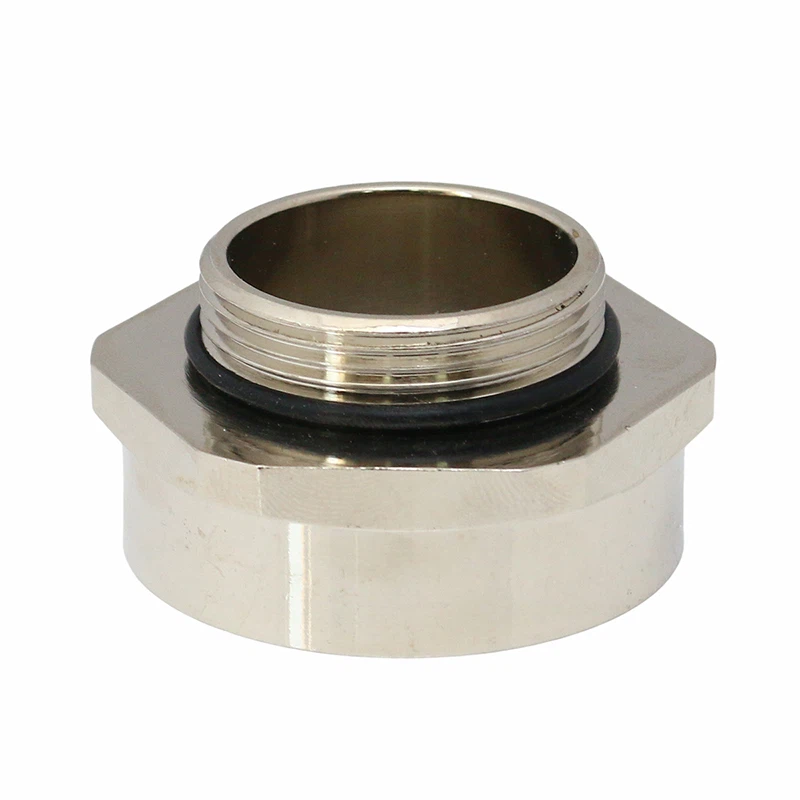
If you're looking for specific types of metal stuffing glands, we offer a range of products, including Brass PG To Metric Reducer, Brass Metric To PG Reducer, and Brass Enlager PG Thread. These products are designed to meet different needs and can provide better protection against dust and other environmental factors.
Why Choose Us
As a supplier, we understand the importance of quality and reliability. Our metal stuffing glands are made from high - quality materials and are manufactured to strict standards. We offer a wide range of sizes and configurations to meet the diverse needs of our customers. Whether you're working on a small electrical project or a large industrial installation, we've got the right gland for you.
We also provide excellent customer service. Our team of experts is always ready to answer your questions and help you choose the best product for your application. We can offer advice on installation, maintenance, and how to protect your glands from dust and other environmental factors.
Let's Connect
If you're in the market for metal stuffing glands or have any questions about how to deal with the impact of dust on them, don't hesitate to get in touch. We're here to help you find the best solutions for your projects. Whether you need a single gland or a large order, we can accommodate your needs. Contact us today to start the conversation and let's work together to ensure the success of your projects.
References
- Campbell, P. (2018). Industrial Sealing Technology. McGraw - Hill.
- Smith, J. (2020). Handbook of Metal Corrosion and Protection. Wiley.
- Johnson, R. (2019). Electrical Installation and Maintenance Guide. Pearson.