

What is the ozone resistance of Metric Thread Nylon Gland?
Oct 31, 2025
Hey there! As a supplier of Metric Thread Nylon Glands, I often get asked about various properties of these products, and one question that pops up quite a bit is about their ozone resistance. So, let's dive right into what the ozone resistance of Metric Thread Nylon Glands is all about.
First off, what's ozone? Ozone is a gas made up of three oxygen atoms (O₃). It's found in the Earth's atmosphere, both in the stratosphere, where it forms the ozone layer that protects us from the sun's harmful UV rays, and at ground - level, where it can be a pollutant. Ground - level ozone is created when pollutants from cars, factories, and other sources react with sunlight. It can be pretty harsh on a lot of materials, causing them to break down over time.
Now, let's talk about Metric Thread Nylon Glands. Metric Thread Nylon Gland are used in a wide range of applications, from electrical installations to industrial machinery. They're made of nylon, which is a type of plastic known for its strength, durability, and resistance to many chemicals. But how does it hold up against ozone?
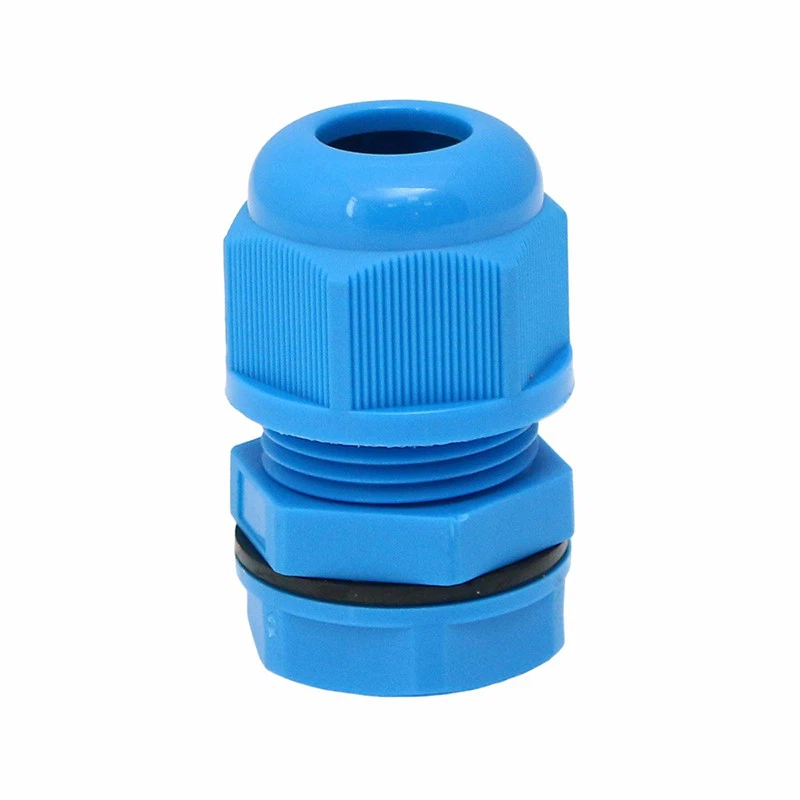

Nylon generally has a decent level of ozone resistance. The chemical structure of nylon gives it some natural protection against ozone degradation. The long - chain polymer molecules in nylon are relatively stable and can withstand the oxidative effects of ozone to a certain extent. However, this doesn't mean that nylon is completely immune to ozone damage.
The ozone resistance of Metric Thread Nylon Glands can be affected by several factors. One of the main factors is the concentration of ozone in the environment. In areas with high levels of ground - level ozone, such as near busy roads or industrial areas, the glands may be exposed to more ozone and thus experience more rapid degradation.
Another factor is the temperature. Higher temperatures can accelerate the reaction between ozone and nylon. When it's hot, the molecules in the nylon are more active, and the ozone can more easily break down the chemical bonds in the polymer. So, if your Metric Thread Nylon Glands are used in a hot environment with high ozone levels, they might not last as long as they would in a cooler, cleaner environment.
The duration of exposure also matters. The longer the glands are exposed to ozone, the more likely they are to show signs of damage. This could include cracking, discoloration, or a loss of mechanical strength. For example, if you have a Metric Thread Nylon Gland installed outdoors in an area with high ozone pollution, and it's left there for years without being replaced, you might start to notice some problems.
But don't worry too much! There are ways to improve the ozone resistance of Metric Thread Nylon Glands. One common method is to add antioxidants or stabilizers to the nylon during the manufacturing process. These additives can react with the ozone before it has a chance to damage the nylon polymer, thus extending the lifespan of the glands.
Some manufacturers also use special coatings on the glands to provide an extra layer of protection against ozone. These coatings can act as a barrier, preventing the ozone from coming into direct contact with the nylon. However, it's important to make sure that the coating is compatible with the nylon and the environment in which the gland will be used.
When comparing Metric Thread Nylon Glands with other types of nylon glands, like PG Thread Nylon Gland and G Thread Nylon Gland, the ozone resistance is generally similar. Since they're all made of nylon, they share the same basic chemical properties. However, the specific design and manufacturing process of each type of gland can also have an impact on its ozone resistance.
For instance, if a PG Thread Nylon Gland has a thicker wall or a more compact design, it might be more resistant to ozone damage compared to a Metric Thread Nylon Gland with a thinner wall. But in general, all nylon glands offer a good level of ozone resistance as long as they're properly maintained and used in appropriate environments.
So, if you're in the market for Metric Thread Nylon Glands and ozone resistance is a concern for you, here are some tips. First, assess the ozone levels in the area where the glands will be used. If it's a high - ozone environment, consider glands with added antioxidants or protective coatings. Second, make sure to follow the manufacturer's installation and maintenance instructions. Regular inspections can help you catch any signs of ozone damage early and replace the glands before they fail.
As a supplier, I can offer you high - quality Metric Thread Nylon Glands that are designed to have good ozone resistance. We use the latest manufacturing techniques and quality materials to ensure that our glands can withstand the test of time, even in challenging environments. If you're interested in learning more about our products or have any questions about ozone resistance or other properties of our Metric Thread Nylon Glands, don't hesitate to get in touch. We're here to help you find the right solution for your needs. Whether you're working on a small electrical project or a large industrial installation, we've got the glands you need. So, reach out and let's start a conversation about your requirements.
References
- "Plastics in Engineering Applications" - A general reference book on the properties and uses of plastics, including nylon.
- "Environmental Effects on Polymers" - A scientific publication that discusses how environmental factors like ozone affect polymer materials.