

What is the yield strength of a Brass Dome Plug G Thread?
Dec 24, 2025
As a supplier of Brass Dome Plug G Thread, I often receive inquiries about the technical specifications of our products, especially the yield strength. Understanding the yield strength of a Brass Dome Plug G Thread is crucial for both manufacturers and end - users as it directly impacts the performance and safety of the product in various applications.
What is Yield Strength?
Before delving into the yield strength of a Brass Dome Plug G Thread, it is essential to understand what yield strength means. Yield strength is the stress at which a material begins to deform plastically. In simpler terms, when a load is applied to a material, it first undergoes elastic deformation. This means that the material will return to its original shape once the load is removed. However, when the load exceeds the yield strength, the material experiences plastic deformation, and it will not return to its original shape even after the load is removed.
Yield strength is typically measured in megapascals (MPa) or pounds per square inch (psi). This property is determined through a tensile test, where a sample of the material is gradually pulled until it begins to deform plastically. The stress at this point is recorded as the yield strength.
Yield Strength of Brass
Brass is an alloy composed primarily of copper and zinc. The exact composition of brass can vary widely, which in turn affects its mechanical properties, including yield strength. Generally, the yield strength of brass can range from about 70 MPa for some soft brasses to over 400 MPa for high - strength brasses.
The type of brass used in our Brass Dome Plug G Threads is carefully selected to balance between strength, corrosion resistance, and machinability. Our brasses usually fall in the medium - strength range, with a yield strength typically around 150 - 250 MPa. This range provides sufficient strength for most applications where Brass Dome Plug G Threads are used while still maintaining good formability and ease of manufacturing.
Factors Affecting the Yield Strength of Brass Dome Plug G Thread
Several factors can influence the yield strength of a Brass Dome Plug G Thread.
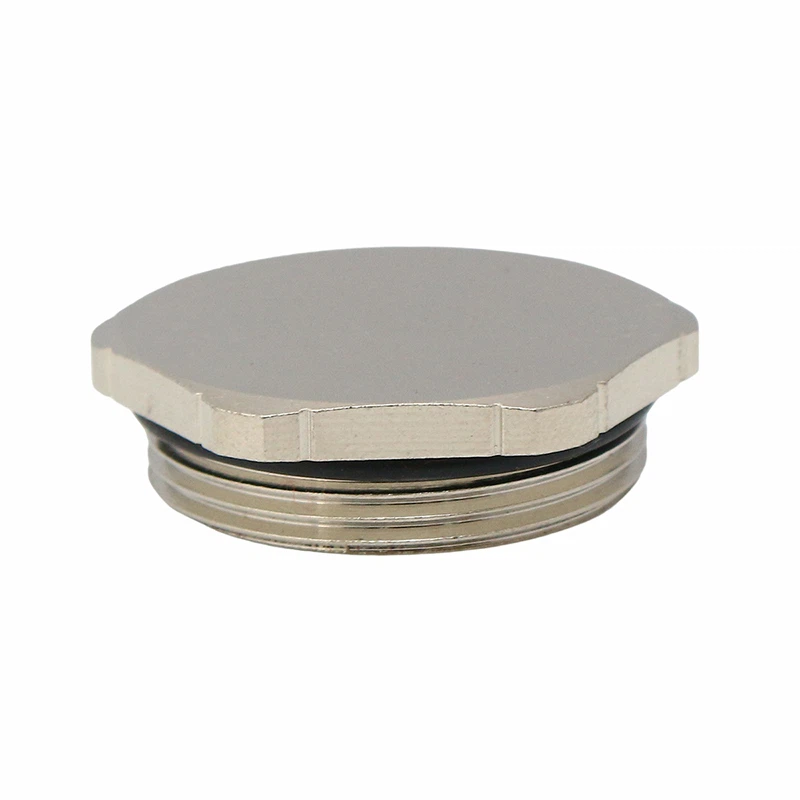
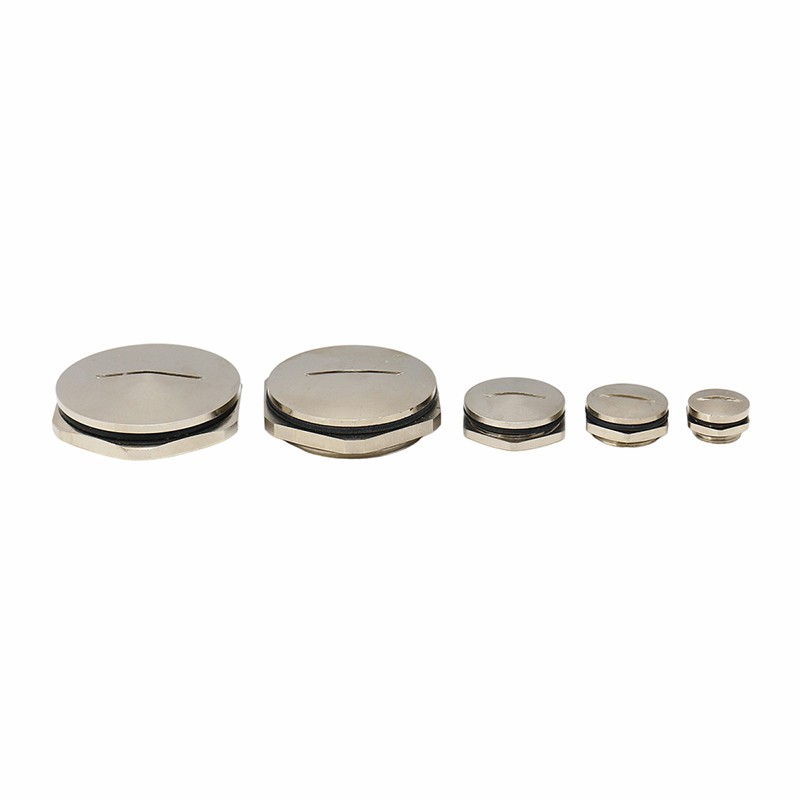
Alloy Composition: As mentioned earlier, the ratio of copper to zinc and the presence of other alloying elements can have a significant impact on yield strength. For example, adding small amounts of lead to brass can improve machinability but may slightly reduce the yield strength.
Cold Working: During the manufacturing process, cold working techniques such as rolling, extruding, or threading can increase the yield strength of brass. This is because cold working introduces dislocations in the crystal structure of the brass, making it more difficult for the material to deform. Our Brass Dome Plug G Threads often undergo a certain degree of cold working during production, which enhances their yield strength.
Heat Treatment: Heat treatment can also be used to modify the yield strength of brass. Annealing, for example, can reduce the yield strength by relieving internal stresses and allowing the crystal structure to reorganize. On the other hand, precipitation hardening can increase the yield strength by forming fine precipitates in the brass matrix.
Importance of Yield Strength in Brass Dome Plug G Thread Applications
The yield strength of a Brass Dome Plug G Thread is of utmost importance in its applications. These plugs are commonly used in plumbing, electrical, and industrial applications where they need to perform specific functions.
In plumbing systems, Brass Dome Plug G Threads are used to seal pipes and prevent leaks. The yield strength ensures that the plug can withstand the pressure exerted by the fluid in the pipes without deforming or failing. If the yield strength is too low, the plug may deform under pressure, leading to leaks and potential damage to the plumbing system.
In electrical applications, Brass Dome Plug G Threads are used in enclosures to prevent the ingress of dust, moisture, and other contaminants. The yield strength is important to ensure that the plug can maintain a tight seal even under mechanical stress, such as vibration or impact.
Comparison with Other Thread Types
We also offer Brass Dome Plug Metric Thread and Brass Dome Plug PG Thread in addition to our Brass Dome Plug G Thread. While the general material properties of brass apply across these different thread types, there may be slight differences in yield strength due to variations in manufacturing processes and intended applications.
The G Thread is a standardized pipe thread used in many countries, while the Metric Thread is based on the metric system and is more commonly used in international applications. The PG Thread, on the other hand, is often used in electrical installations. Each thread type may require a specific level of yield strength depending on the application requirements.
Determining the Right Yield Strength for Your Application
When choosing a Brass Dome Plug G Thread, it is important to consider the specific requirements of your application. If high pressure is involved, a brass with a higher yield strength should be selected. Similarly, if the plug will be exposed to mechanical stress, a stronger material may be necessary.
Our team of experts can assist you in determining the right yield strength for your application. We have in - depth knowledge of the properties of our products and can provide customized solutions based on your needs.
Conclusion
The yield strength of a Brass Dome Plug G Thread is a critical property that affects its performance and suitability for various applications. As a supplier, we ensure that our products meet high - quality standards and have the appropriate yield strength for their intended use.
If you are in the market for Brass Dome Plug G Threads or have any questions about their yield strength or other technical specifications, please do not hesitate to contact us for a consultation. We are committed to providing you with the best products and services to meet your needs.
References
- Callister, W. D., & Rethwisch, D. G. (2010). Materials Science and Engineering: An Introduction. Wiley.
- ASM Handbook Committee. (1990). ASM Handbook: Properties and Selection: Nonferrous Alloys and Special - Purpose Materials. ASM International.