

Can a G Thread Stainless Gland be used in automotive applications?
Dec 09, 2025
In the automotive industry, the selection of components is a critical process that directly impacts the performance, safety, and reliability of vehicles. One such component that often goes unnoticed but plays a vital role is the cable gland. As a supplier of G Thread Stainless Glands, I am frequently asked whether these glands can be used in automotive applications. In this blog, I will explore the feasibility of using G Thread Stainless Glands in the automotive sector, considering factors such as their design, performance, and compatibility.
Understanding G Thread Stainless Glands
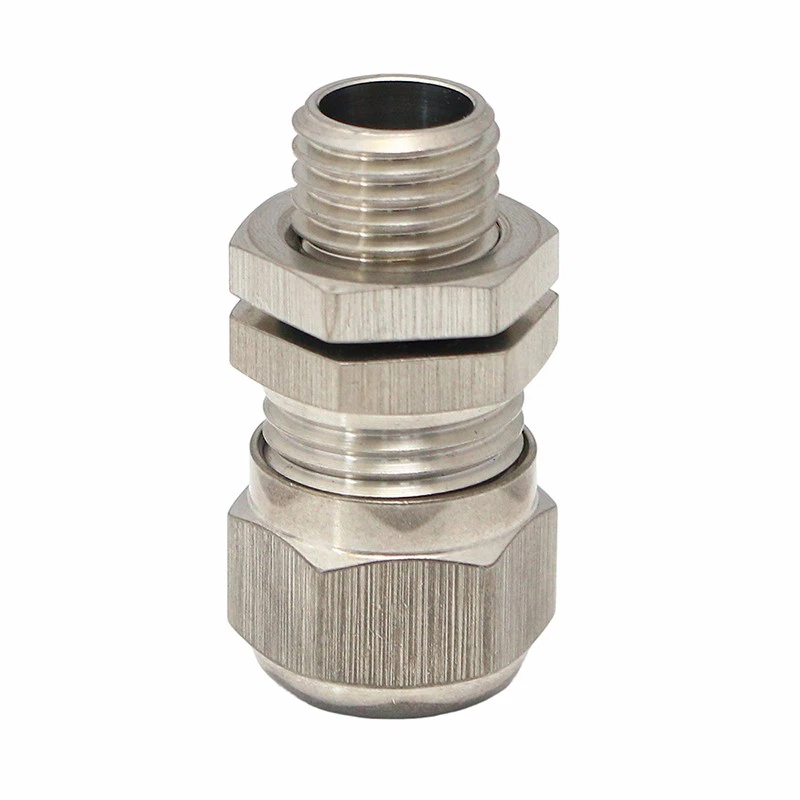
Before delving into their automotive applications, it's essential to understand what G Thread Stainless Glands are. G Thread, also known as BSP (British Standard Pipe) thread, is a widely used standard for threaded connections in many industries. Stainless steel, on the other hand, is chosen for its excellent corrosion resistance, strength, and durability.
A G Thread Stainless Gland is a device used to secure and seal cables where they enter an enclosure or equipment. It provides strain relief, preventing the cable from being pulled out or damaged due to mechanical stress. Additionally, it offers protection against dust, water, and other environmental contaminants, ensuring the integrity of the electrical connections inside the enclosure.
Requirements in Automotive Applications
The automotive industry has stringent requirements for components, driven by the need for safety, reliability, and performance. Here are some key considerations when selecting components for automotive use:
1. Vibration and Shock Resistance
Automobiles are subject to constant vibrations and shocks during operation, especially on rough roads. Components must be able to withstand these dynamic forces without loosening or failing. A cable gland that can maintain a secure connection under such conditions is essential to prevent cable damage and electrical failures.
2. Temperature Resistance
Automotive environments can experience a wide range of temperatures, from extreme cold in winter to high heat under the hood. Components need to be able to function properly within this temperature range without losing their mechanical or electrical properties.
3. Chemical Resistance
Automobiles are exposed to various chemicals, such as fuels, lubricants, and cleaning agents. Cable glands must be resistant to these chemicals to prevent corrosion and degradation over time.
4. Sealing Performance
To protect electrical systems from moisture, dust, and dirt, cable glands need to provide a high level of sealing performance. This is crucial for preventing short circuits and other electrical problems.
Can G Thread Stainless Glands Meet Automotive Requirements?
1. Vibration and Shock Resistance
Stainless steel is a strong and durable material that can withstand considerable vibration and shock. The threading design of G Thread Stainless Glands provides a secure connection, helping to prevent loosening under dynamic conditions. Additionally, many G Thread Stainless Glands are designed with features such as locking nuts or gaskets to enhance their resistance to vibration.
2. Temperature Resistance
Stainless steel has excellent thermal properties, allowing it to maintain its strength and integrity over a wide range of temperatures. G Thread Stainless Glands can typically operate within the temperature ranges commonly encountered in automotive applications, making them suitable for use in various parts of the vehicle, including the engine compartment and the interior.
3. Chemical Resistance
Stainless steel is highly resistant to corrosion and many chemicals, making it an ideal choice for automotive applications. G Thread Stainless Glands can withstand exposure to fuels, lubricants, and other automotive chemicals without deteriorating, ensuring long-term reliability.
4. Sealing Performance
G Thread Stainless Glands are designed to provide a tight seal around cables, preventing the ingress of moisture, dust, and dirt. This is achieved through the use of gaskets or seals made from materials such as rubber or silicone, which are also resistant to automotive chemicals and can maintain their sealing properties over time.
Advantages of Using G Thread Stainless Glands in Automotive Applications
1. Compatibility
G Thread is a widely recognized and used thread standard, making G Thread Stainless Glands compatible with many existing automotive components and systems. This simplifies the installation process and reduces the need for custom modifications.
2. Versatility
G Thread Stainless Glands can be used with a variety of cable types and sizes, providing flexibility in automotive design. They can be installed in different locations within the vehicle, including the engine compartment, the dashboard, and the vehicle's exterior.
3. Longevity
The combination of stainless steel and a well-designed threading system ensures the longevity of G Thread Stainless Glands. They require minimal maintenance and can provide reliable performance over the lifetime of the vehicle.
Considerations and Limitations
While G Thread Stainless Glands offer many advantages for automotive applications, there are also some considerations and limitations to keep in mind:
1. Cost
Stainless steel components can be more expensive than those made from other materials. However, the long-term benefits of using G Thread Stainless Glands, such as their durability and reliability, often outweigh the initial cost.

2. Thread Compatibility
In some cases, automotive systems may require specific thread standards, such as Metric Thread Stainless Gland or NPT Thread Stainless Gland. It's essential to ensure that the G Thread Stainless Glands are compatible with the existing threading in the vehicle.
3. Installation Requirements
Proper installation is crucial for the performance of G Thread Stainless Glands. Incorrect installation can lead to poor sealing, loosening, or other issues. It's important to follow the manufacturer's installation instructions carefully.
Conclusion
In conclusion, G Thread Stainless Glands can be a viable option for automotive applications. They offer excellent vibration and shock resistance, temperature resistance, chemical resistance, and sealing performance, meeting many of the stringent requirements of the automotive industry. Their compatibility, versatility, and longevity make them a practical choice for securing and protecting cables in vehicles.
However, it's important to consider the cost, thread compatibility, and installation requirements when selecting G Thread Stainless Glands for automotive use. By working with a reputable supplier and ensuring proper installation, you can maximize the benefits of these glands and enhance the performance and reliability of your automotive systems.
If you are considering using G Thread Stainless Glands in your automotive applications, I encourage you to reach out to discuss your specific requirements. Our team of experts can provide you with detailed information and guidance to help you make an informed decision.
References
- "Automotive Electrical Systems: Principles and Repair" by William H. Crouse and Donald L. Anglin
- "Handbook of Stainless Steel" by ASM International
- "British Standard Pipe Threads (BSP): A Technical Guide" by The Engineering ToolBox