

What are the code requirements for using cable stuffing boxes in building wiring?
Dec 09, 2025
Hey there! As a supplier of cable stuffing boxes, I often get asked about the code requirements for using these nifty devices in building wiring. So, I thought I'd put together this blog post to share some insights and clear up any confusion.
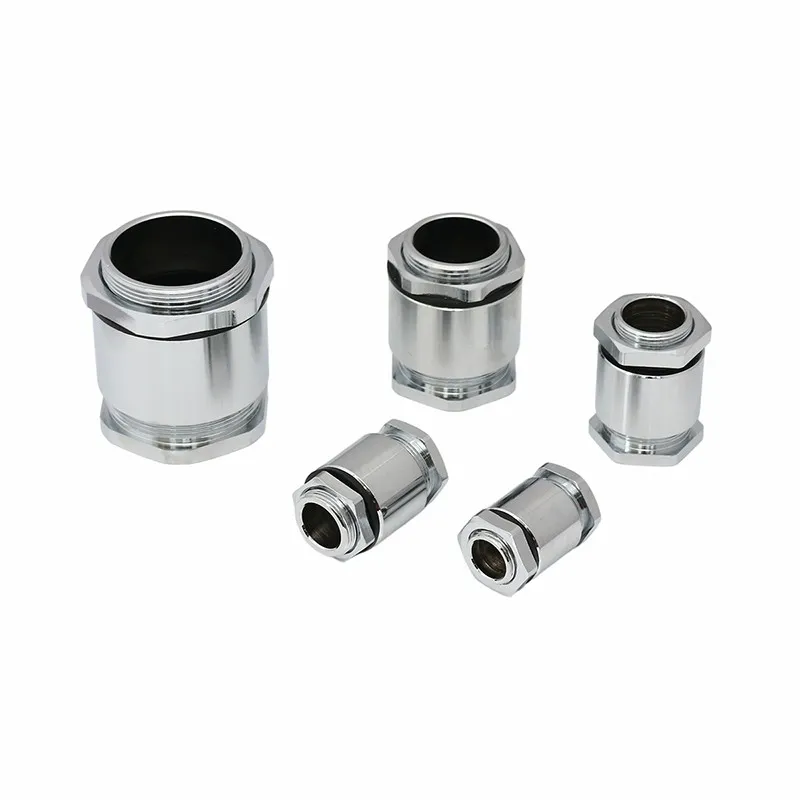
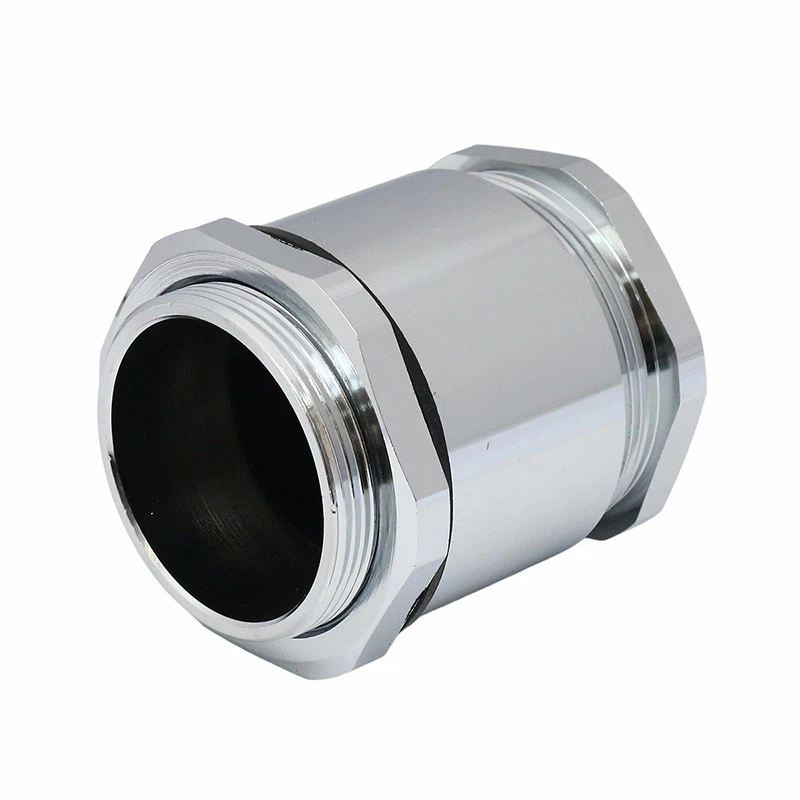
First off, let's talk about what cable stuffing boxes are. They're basically enclosures that help protect cables and wires, making sure they're safe and secure in a building's electrical system. They can prevent things like dust, moisture, and even fire from reaching the cables, which is super important for the overall safety and functionality of the wiring.
Now, onto the code requirements. These requirements can vary depending on where you are in the world, but there are some common standards that most places follow. In the United States, for example, the National Electrical Code (NEC) is a big deal. It sets the rules for electrical installations, including the use of cable stuffing boxes.
One of the key requirements is proper sizing. The cable stuffing box needs to be big enough to accommodate all the cables that will be going through it. This means considering the number of cables, their size, and any additional space needed for future expansions. If the box is too small, it can lead to overcrowding, which can cause overheating and other safety issues.
Another important aspect is the type of cable stuffing box. There are different types available, each designed for specific applications. For instance, there are Explosion Proof Cable stuffing boxes, which are used in areas where there's a risk of explosion, like in industrial settings. These boxes are built to prevent sparks or flames from escaping and causing an explosion.
Then there are Armored Cable Gland stuffing boxes. These are great for protecting armored cables, which are commonly used in areas where the cables need extra protection from physical damage. The gland helps to secure the cable and prevent it from pulling out of the box.
And let's not forget about TJ-Clamping Marine Cable Gland stuffing boxes. These are designed for use in marine environments, where the cables are exposed to saltwater, humidity, and other harsh conditions. They're built to be corrosion-resistant and provide a watertight seal to keep the cables safe.
In addition to the type of box, the installation process also has to meet certain code requirements. The box needs to be installed in a way that it's easily accessible for maintenance and inspection. It should also be properly grounded to prevent electrical shocks.
When it comes to sealing, the cable stuffing box needs to have a good seal to prevent the entry of dust, moisture, and other contaminants. This can be achieved through the use of gaskets, seals, or other sealing materials. The seal should be tight enough to keep out unwanted elements but not so tight that it damages the cables.
Labeling is another important requirement. The box should be clearly labeled to indicate the type of cables it contains, their ratings, and any other relevant information. This makes it easier for electricians and maintenance personnel to identify and work with the cables.
Now, you might be wondering how to ensure that your cable stuffing box installation meets all the code requirements. Well, the first step is to consult with a qualified electrician or electrical engineer. They have the knowledge and experience to understand the local codes and regulations and can help you choose the right box and install it correctly.
It's also a good idea to stay up-to-date with the latest code changes. Codes are constantly being updated to reflect new technologies and safety standards, so it's important to keep an eye on any changes that might affect your installation.
As a cable stuffing box supplier, I'm here to help you make the right choices. We offer a wide range of high-quality cable stuffing boxes that meet all the necessary code requirements. Whether you need an explosion-proof box, an armored cable gland box, or a marine cable gland box, we've got you covered.
If you're in the market for cable stuffing boxes, I encourage you to reach out to us. We can provide you with detailed information about our products, help you choose the right box for your application, and even offer installation support if needed. Contact us today to start the conversation about your cable stuffing box needs.
References
- National Electrical Code (NEC)
- Local electrical codes and regulations
- Industry standards and guidelines for cable stuffing boxes