

What is the maximum pressure a G Thread Nylon Gland can withstand?
Dec 15, 2025
As a supplier of G Thread Nylon Glands, I often encounter inquiries from customers regarding the maximum pressure these glands can withstand. This is a crucial question, as understanding the pressure limits is essential for ensuring the proper and safe use of G Thread Nylon Glands in various applications. In this blog post, I will delve into the factors that influence the maximum pressure a G Thread Nylon Gland can handle, and provide some insights based on industry knowledge and experience.
Understanding G Thread Nylon Glands
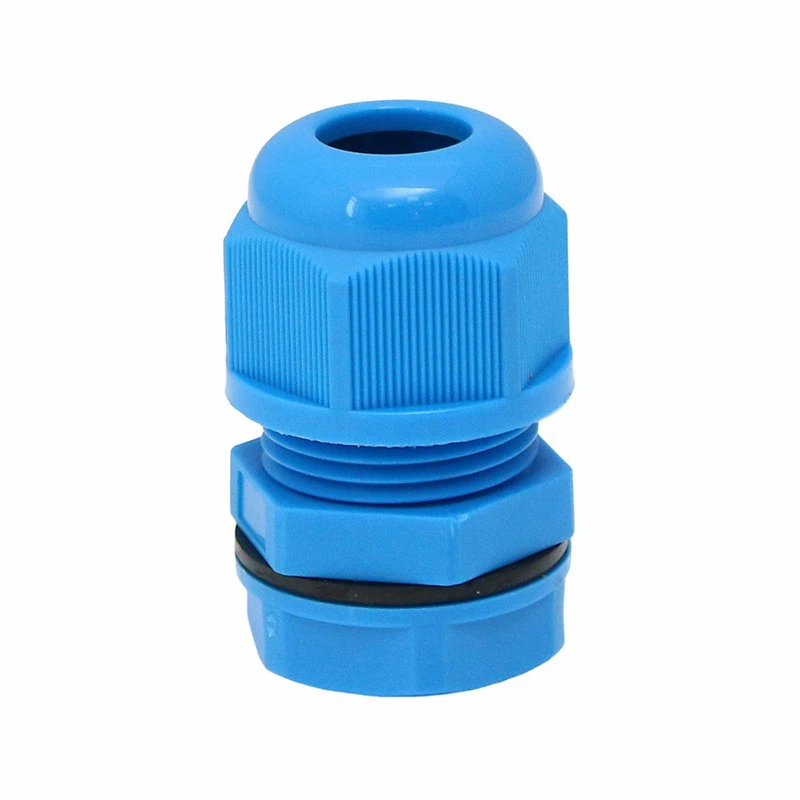
Before discussing the maximum pressure, it's important to have a basic understanding of G Thread Nylon Glands. G Thread Nylon Gland are a type of cable gland made from nylon material with a G thread design. Nylon is a popular choice for cable glands due to its excellent mechanical properties, chemical resistance, and cost - effectiveness. The G thread, also known as a BSP (British Standard Pipe) thread, is a widely used thread type in many industries, especially in Europe.
These glands are commonly used to provide a secure and sealed connection for cables, protecting them from environmental factors such as dust, water, and mechanical damage. They are used in a variety of applications, including electrical installations, telecommunications, and industrial machinery.
Factors Affecting the Maximum Pressure
Material Properties
The material of the G Thread Nylon Gland plays a significant role in determining its maximum pressure capacity. Nylon is a thermoplastic polymer with good strength and toughness. However, its mechanical properties can vary depending on the specific type of nylon used. For example, nylon 6 and nylon 66 are two common types of nylon used in cable gland manufacturing. Nylon 66 generally has higher strength and heat resistance compared to nylon 6, which means that a G Thread Nylon Gland made from nylon 66 may be able to withstand higher pressures.
The quality of the nylon material also matters. High - quality nylon with consistent properties will provide better performance under pressure. Impurities or variations in the material can lead to weak points in the gland, reducing its overall pressure - bearing capacity.
Thread Design
The G thread design is another important factor. The pitch, thread angle, and depth of the thread all affect the sealing and pressure - holding ability of the gland. A well - designed G thread will provide a tight and secure connection between the gland and the mating component, such as a pipe or a panel. If the thread is not properly cut or has a non - standard dimension, it can lead to leaks or reduced pressure resistance.
The thread engagement length also plays a role. A longer thread engagement generally provides more surface area for the forces to be distributed, which can increase the maximum pressure the gland can withstand. However, there is a limit to how long the thread engagement can be, as excessive length may cause difficulties in installation and may also increase the risk of thread damage.
Sealing Mechanism
The sealing mechanism of the G Thread Nylon Gland is crucial for maintaining pressure. Most G Thread Nylon Glands use an O - ring or a sealing gasket to create a watertight and airtight seal. The quality and material of the sealing element are important. A high - quality O - ring made from a suitable elastomer material, such as nitrile rubber or silicone, will provide better sealing performance under pressure.
The compression of the sealing element is also a key factor. If the gland is not tightened properly, the sealing element may not be compressed enough to create an effective seal, leading to pressure loss. On the other hand, over - tightening can damage the sealing element or the gland itself, also reducing the pressure - holding ability.
Environmental Conditions
The environmental conditions in which the G Thread Nylon Gland is used can have a significant impact on its maximum pressure capacity. Temperature is one of the most important environmental factors. Nylon is a thermoplastic material, and its mechanical properties change with temperature. At high temperatures, nylon becomes softer and its strength decreases, which means that the gland may not be able to withstand as much pressure as it can at room temperature.
Chemical exposure is another factor. If the gland is exposed to chemicals that can react with nylon, such as strong acids or alkalis, the material may be degraded, reducing its strength and pressure - bearing capacity. Moisture can also affect the performance of the gland, especially if it causes corrosion of any metal components in the gland or if it affects the sealing properties of the O - ring.
Determining the Maximum Pressure
In general, the maximum pressure a G Thread Nylon Gland can withstand can range from a few bar to tens of bar, depending on the factors mentioned above. For standard G Thread Nylon Glands used in normal electrical and telecommunications applications, the maximum pressure is typically in the range of 1 - 10 bar. However, for glands used in more demanding industrial applications, such as in hydraulic or pneumatic systems, the maximum pressure can be higher, up to 20 - 30 bar or even more in some cases.
To accurately determine the maximum pressure for a specific G Thread Nylon Gland, it is recommended to refer to the manufacturer's specifications. The manufacturer will conduct tests under controlled conditions to determine the pressure - rating of the gland. These tests usually involve subjecting the gland to increasing pressure until a failure occurs, such as a leak or a structural damage.
It's important to note that the maximum pressure rating is often based on ideal conditions. In real - world applications, the actual pressure the gland can withstand may be lower due to factors such as installation errors, environmental variations, and long - term wear and tear.

Comparison with Other Thread Types
In addition to G Thread Nylon Glands, there are also NPT Thread Nylon Gland and Metric Thread Nylon Gland. NPT (National Pipe Taper) threads are commonly used in North America, while metric threads are used in many other parts of the world.
The maximum pressure capacity of these different thread types can vary. NPT threads are tapered, which can provide a self - sealing effect. However, they may require a sealing compound to achieve a reliable seal under high pressure. Metric threads are known for their precision and standardization, and they can also provide good pressure - holding ability when properly designed and installed.
The choice between G, NPT, and metric threads often depends on the specific application and the regional standards. In some cases, a G Thread Nylon Gland may be the preferred choice due to its wide availability and compatibility with existing systems, while in other cases, NPT or metric threads may be more suitable.
Conclusion and Call to Action
In conclusion, the maximum pressure a G Thread Nylon Gland can withstand is influenced by multiple factors, including material properties, thread design, sealing mechanism, and environmental conditions. Understanding these factors is essential for selecting the right gland for your application and ensuring its safe and reliable operation.
As a supplier of G Thread Nylon Glands, we are committed to providing high - quality products that meet the diverse needs of our customers. If you have any questions about the maximum pressure of our G Thread Nylon Glands or need assistance in selecting the right gland for your application, please feel free to contact us for further discussion and procurement negotiation. We look forward to working with you to find the best solutions for your cable gland requirements.
References
- "Handbook of Plastics, Elastomers, and Composites" by Charles A. Harper
- "Mechanical Design Handbook" by Robert C. Juvinall and Kurt M. Marshek
- Industry standards and specifications related to cable glands and thread design