

What materials are used to make explosion proof cable?
Jul 30, 2025
Hey there! As an Explosion Proof Cable supplier, I often get asked about what materials are used to make explosion proof cables. Well, let's dive right into it and explore the ins and outs of these essential components.
First off, let's understand why explosion proof cables are so crucial. In environments where there's a risk of explosions, like oil refineries, chemical plants, and mines, regular cables just won't cut it. Explosion proof cables are designed to prevent the ignition of flammable gases, vapors, or dusts, keeping workers and facilities safe.
One of the key materials used in explosion proof cables is the outer sheath. This protective layer is typically made from materials like PVC (Polyvinyl Chloride) or polyurethane. PVC is a popular choice because it's affordable, flexible, and resistant to chemicals and abrasion. Polyurethane, on the other hand, offers even better resistance to extreme temperatures, oils, and solvents. It's a bit more expensive than PVC, but it's worth the investment in harsh environments.
Inside the outer sheath, we have the insulation layer. This is what prevents the electrical current from leaking out and causing a spark. The most common insulation materials for explosion proof cables are cross-linked polyethylene (XLPE) and ethylene propylene rubber (EPR). XLPE is known for its excellent electrical properties, high temperature resistance, and long service life. EPR, on the other hand, is more flexible and has better resistance to water and ozone.
Another important component of explosion proof cables is the conductor. This is the part that carries the electrical current. Copper is the most widely used conductor material because it has high conductivity, is corrosion-resistant, and is relatively inexpensive. Aluminum is also used in some applications, especially in high-voltage power transmission. However, aluminum conductors require special connectors and installation techniques to prevent oxidation and overheating.
In addition to the outer sheath, insulation, and conductor, explosion proof cables may also include other materials for added protection. For example, some cables have a metal armor layer made of steel or aluminum. This armor provides mechanical protection against damage from impact, abrasion, and rodents. It also helps to prevent electromagnetic interference (EMI) and radio frequency interference (RFI).
Now, let's talk about some of the specific products we offer as an Explosion Proof Cable supplier. We have a wide range of Explosion Proof Cable that are designed to meet the needs of different industries and applications. Our cables are available in various sizes, voltages, and configurations, so you can find the perfect solution for your project.
One of our popular products is the TJ-Clamping Marine Cable Gland. This gland is specifically designed for use in marine environments, where it needs to withstand harsh conditions such as saltwater, humidity, and vibration. The TJ-Clamping Marine Cable Gland provides a secure and watertight seal for cables, preventing moisture and contaminants from entering the equipment.
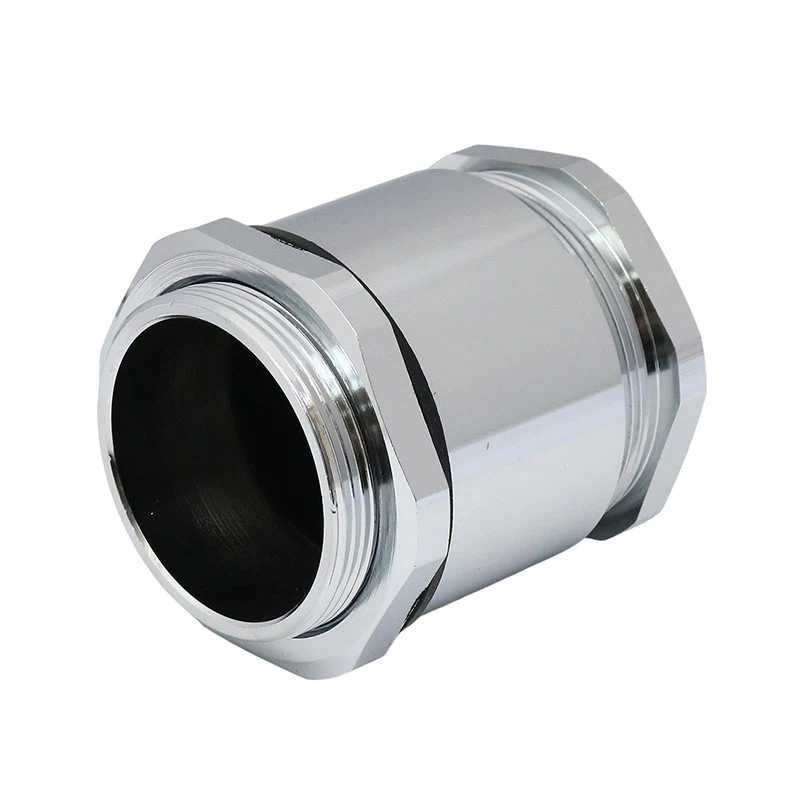
Another product we offer is the Armored Cable Gland. This gland is used to terminate and protect armored cables, providing a reliable connection between the cable and the equipment. The Armored Cable Gland is designed to withstand high mechanical stress and is suitable for use in industrial and hazardous environments.
So, if you're in the market for explosion proof cables or related products, look no further. As an experienced Explosion Proof Cable supplier, we have the knowledge, expertise, and products to meet your needs. Whether you're working on a small project or a large-scale industrial installation, we can provide you with the right solutions at competitive prices.
If you have any questions or need more information about our products, please don't hesitate to contact us. Our team of experts is always ready to assist you and help you find the best products for your project. We look forward to hearing from you and working with you on your next project.

References:
- "Electrical Installation in Hazardous Areas" by Frank Dydek
- "Cable Engineering and Installation Handbook" by John Weeks