

How do I prevent leakage from a Brass PG Thread Reducer?
Jan 02, 2026
Leakage from a Brass PG Thread Reducer can be a significant concern in various applications, especially in industrial settings where precision and reliability are crucial. As a supplier of high - quality Brass PG Thread Reducers, I understand the importance of preventing leakage to ensure the proper functioning of systems. In this blog post, I'll share some effective strategies to prevent leakage from Brass PG Thread Reducers.
Understanding the Basics of Brass PG Thread Reducers
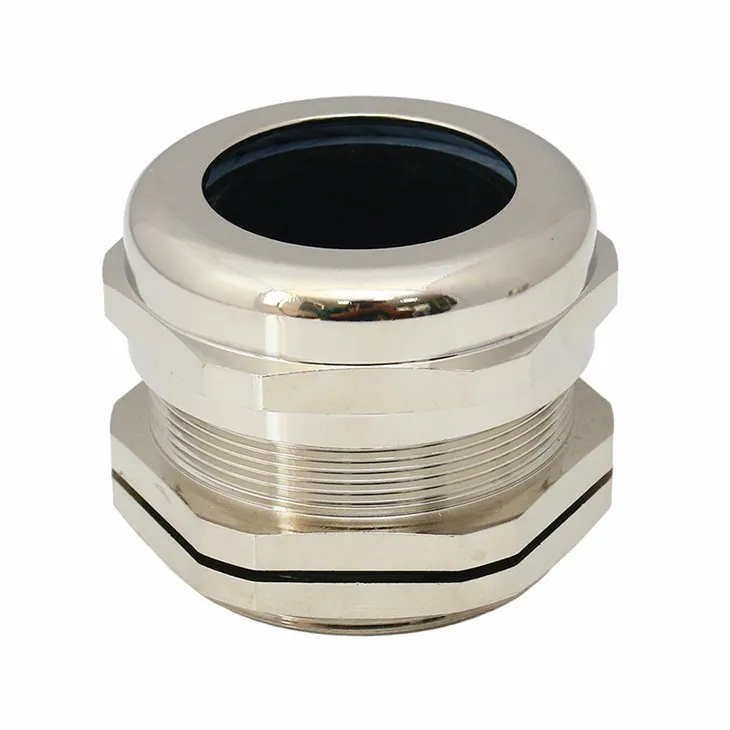
Brass PG Thread Reducers are essential components used to connect pipes or cables of different sizes. They are commonly used in electrical installations, mechanical systems, and in industries where fluid or gas transfer takes place. The "PG" in PG Thread refers to a particular thread standard, which is widely recognized in Europe and is used for cable glands and other fittings.
However, due to the nature of the connections and the materials involved, there is always a risk of leakage. Leakage can lead to a variety of problems, such as loss of pressure in a fluid system, ingress of moisture or contaminants in an electrical system, and even safety hazards in some cases.
Selecting the Right Reducer
The first step in preventing leakage is to select the right Brass PG Thread Reducer for your application. This involves considering several factors:
Size Compatibility
Ensure that the reducer has the correct size to fit the pipes or cables you are connecting. An improper fit can lead to gaps between the components, which are the primary cause of leakage. Make sure to measure the diameter and thread pitch of the existing pipes or cables accurately before choosing a reducer.
Material Quality
The quality of the brass used in the reducer is crucial. High - quality brass is more resistant to corrosion and wear, which can cause the threads to become damaged over time and lead to leakage. As a supplier, I ensure that all our Brass PG Thread Reducers are made from premium - grade brass that meets strict industry standards.
Thread Integrity
Inspect the threads of the reducer for any signs of damage, such as nicks, burrs, or incorrect threading. Damaged threads can prevent a proper seal from forming. Always choose reducers with well - machined threads that offer a tight and secure connection.
Proper Installation
Proper installation is key to preventing leakage from Brass PG Thread Reducers. Here are some important installation tips:
Clean the Threads
Before installation, clean the threads of both the reducer and the pipes or cables thoroughly. Remove any dirt, debris, or rust that may be present. Even small particles can interfere with the sealing ability of the threads and cause leakage. You can use a wire brush or a cleaning solvent designed for metal surfaces to clean the threads effectively.
Use Thread Sealant
Applying a high - quality thread sealant to the male threads of the reducer can significantly improve the sealing performance. Thread sealants fill in the small gaps between the threads, preventing fluid or gas from leaking out. There are different types of thread sealants available, such as PTFE tape and pipe dope. Choose a sealant that is compatible with the materials and the application. Make sure to follow the manufacturer's instructions when applying the sealant.
Tighten to the Right Torque
Over - tightening or under - tightening the reducer can both lead to leakage. Use a torque wrench to tighten the reducer to the recommended torque value. The recommended torque can usually be found in the manufacturer's documentation or industry standards. Tightening to the correct torque ensures a proper seal without causing damage to the threads or the reducer itself.
Regular Maintenance
Regular maintenance can help detect and prevent leakage from Brass PG Thread Reducers. Here's what you can do:
Visual Inspection
Regularly inspect the reducer for any signs of leakage, such as wet spots, corrosion, or loose connections. If you notice any issues, address them immediately. A simple visual inspection can often catch problems before they become serious.
Check for Wear and Tear
Over time, the threads of the reducer may wear out due to repeated use or exposure to harsh environments. Check the threads for signs of wear, such as thinning or deformation. If the threads are significantly worn, replace the reducer to prevent leakage.
Replace Seals and Gaskets
If the reducer uses seals or gaskets, check them regularly for signs of damage or deterioration. Replace any worn - out seals or gaskets promptly. This can help maintain the integrity of the seal and prevent leakage.

Complementary Products for Leakage Prevention
In some cases, using complementary products can further enhance the leakage prevention of Brass PG Thread Reducers. For example, G Thread Gland can be used in conjunction with the reducer to provide an additional layer of protection. These glands are designed to seal cables or pipes effectively, reducing the risk of leakage.
Another option is the Multi Hole Gland PG Thread. These glands can be used when multiple cables or pipes need to be connected, and they offer a reliable sealing solution to prevent leakage.
The EMC Gland PG Thread is also a great choice, especially in applications where electromagnetic compatibility is important. These glands not only prevent leakage but also provide protection against electromagnetic interference.
Conclusion
Preventing leakage from Brass PG Thread Reducers requires a combination of selecting the right product, proper installation, and regular maintenance. By following the strategies outlined in this blog post, you can ensure the reliable and leak - free operation of your systems.
As a supplier of Brass PG Thread Reducers, I am committed to providing high - quality products and expert advice to help you prevent leakage and ensure the success of your projects. If you have any questions or are interested in purchasing our products, feel free to reach out for a procurement discussion. We are here to assist you in finding the best solutions for your specific needs.
References
- "Pipe Fittings and Their Applications" - Industrial Piping Handbook
- "Thread Sealants: A Guide to Selection and Use" - Sealant Manufacturer's Manual
- Standards for PG Threads - European Threading Standards Organization