

What is the temperature rating of a plastic stuffing gland?
Nov 04, 2025
Hey there! As a supplier of plastic stuffing glands, I often get asked about the temperature rating of these little but crucial components. So, let's dive right in and break it down.

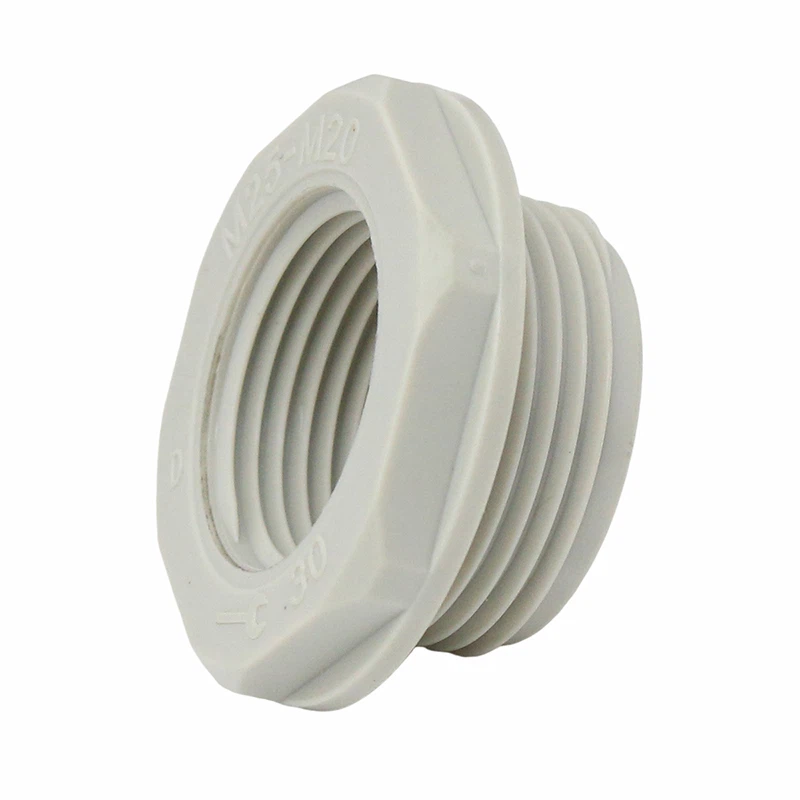
First off, what exactly is a plastic stuffing gland? Well, it's a device used to seal cables or pipes passing through a panel or enclosure. It helps to prevent the ingress of dust, water, and other contaminants, and also provides strain relief for the cables. Plastic stuffing glands are popular because they're lightweight, corrosion - resistant, and cost - effective.
Now, onto the temperature rating. The temperature rating of a plastic stuffing gland refers to the range of temperatures within which the gland can function effectively and safely. This rating is super important because if the gland is exposed to temperatures outside of its rated range, it can lead to all sorts of problems.
Factors Affecting Temperature Rating
There are several factors that determine the temperature rating of a plastic stuffing gland. The most obvious one is the type of plastic used. Different plastics have different thermal properties.
For example, some common plastics used in stuffing glands are polyamide (nylon), polypropylene, and polyethylene. Nylon is known for its good mechanical properties and relatively high heat resistance. It can typically withstand temperatures ranging from - 40°C to 100°C or even higher in some cases. This makes nylon a great choice for applications where the temperature can vary quite a bit. You can check out our Nylon PG Thread Reducer and Nylon PG Thread Dome Plug, which are made from high - quality nylon and have a decent temperature rating.
On the other hand, polypropylene has a lower heat resistance compared to nylon. It usually has a temperature rating in the range of - 20°C to 80°C. Polyethylene, especially high - density polyethylene (HDPE), can have a temperature rating similar to polypropylene, but it also depends on the specific grade of the plastic.
Another factor is the design of the stuffing gland. A well - designed gland with proper ventilation or insulation features can handle higher temperatures. For instance, if a gland has a larger surface area for heat dissipation, it can better manage the heat generated during operation.
The presence of any additives or reinforcements in the plastic can also affect the temperature rating. Some additives can improve the heat resistance of the plastic, while others might have the opposite effect. Reinforcements like glass fibers can enhance the mechanical properties of the plastic at higher temperatures, allowing the gland to maintain its shape and performance.
Importance of Temperature Rating
Why is the temperature rating so important? Well, if a plastic stuffing gland is exposed to temperatures above its rated limit, the plastic can start to soften, deform, or even melt. This can compromise the seal of the gland, allowing dust, water, and other contaminants to enter the enclosure. It can also reduce the strain - relief capabilities of the gland, which can lead to damage to the cables.
On the other hand, if the temperature is too low, the plastic can become brittle and crack. This can also result in a loss of the gland's sealing and strain - relief functions.
Let's say you're using a plastic stuffing gland in an industrial environment where there are high - temperature processes. If the gland doesn't have a high enough temperature rating, it could fail, leading to costly downtime and potential safety hazards. Similarly, in a cold - storage facility, a gland with a low - temperature rating might crack and allow moisture to enter, which can damage the electrical components inside the enclosure.
How to Determine the Right Temperature Rating
When choosing a plastic stuffing gland, it's crucial to consider the operating environment. First, find out the minimum and maximum temperatures that the gland will be exposed to. If you're in an area with extreme weather conditions, you need to account for both summer and winter temperatures.
If you're using the gland in an industrial setting, look at the heat generated by nearby machinery or processes. You might also need to consider any potential heat sources like motors or transformers.
Once you have an idea of the temperature range, you can select a plastic stuffing gland with an appropriate temperature rating. It's always a good idea to choose a gland with a slightly higher temperature rating than what you expect to encounter. This provides a safety margin and ensures that the gland will perform reliably over time.
For example, if the maximum temperature in your application is 80°C, it's better to choose a gland with a temperature rating of 90°C or 100°C. This way, even if there are temporary spikes in temperature, the gland won't be at risk of failure.
Our Product Range
At our company, we offer a wide range of plastic stuffing glands with different temperature ratings to suit various applications. Our Nylon Metric Thread Dome Plug is made from high - quality nylon and can handle a good range of temperatures. Whether you need a gland for a high - temperature industrial application or a low - temperature outdoor installation, we've got you covered.
We also provide detailed product specifications, including the temperature rating, so you can make an informed decision. Our team of experts is always available to help you choose the right product for your specific needs.
Conclusion
In conclusion, the temperature rating of a plastic stuffing gland is a critical factor that can't be overlooked. It's determined by the type of plastic, the design of the gland, and any additives or reinforcements. Choosing the right temperature rating ensures the proper functioning and longevity of the gland, as well as the safety and reliability of the entire system.
If you're in the market for plastic stuffing glands, don't hesitate to reach out. We're here to help you find the perfect solution for your temperature - related requirements. Whether you need more information about our products or want to discuss a specific application, we're just a message away. Let's work together to ensure your projects are a success!
References
- "Plastic Materials Handbook"
- "Thermal Properties of Polymers" research papers